BNBU Huitong Community University Town Task Force: Cultural Creativity Empowering Rural Revitalization
From March to June 2026, Wang Runmo and Zhou Yihang from the Tourism, Hospitality and Event Management (THEM) programme, and Lin Ziling and Chen Huanrong from the Media Arts and Design (MAD) programme at the School of Culture and Creativity, Beijing Normal-Hong Kong Baptist University (BNBU), formed the BNBU Huitong Community University Town Task Force. Under the guidance of supervisors Dr. Cai Danting, Dr. Zhang Xiaonan, and Ms. Wang Weilu, the team travelled to Huitong Community in Tangjiawan, Zhuhai to carry out a social practice project.
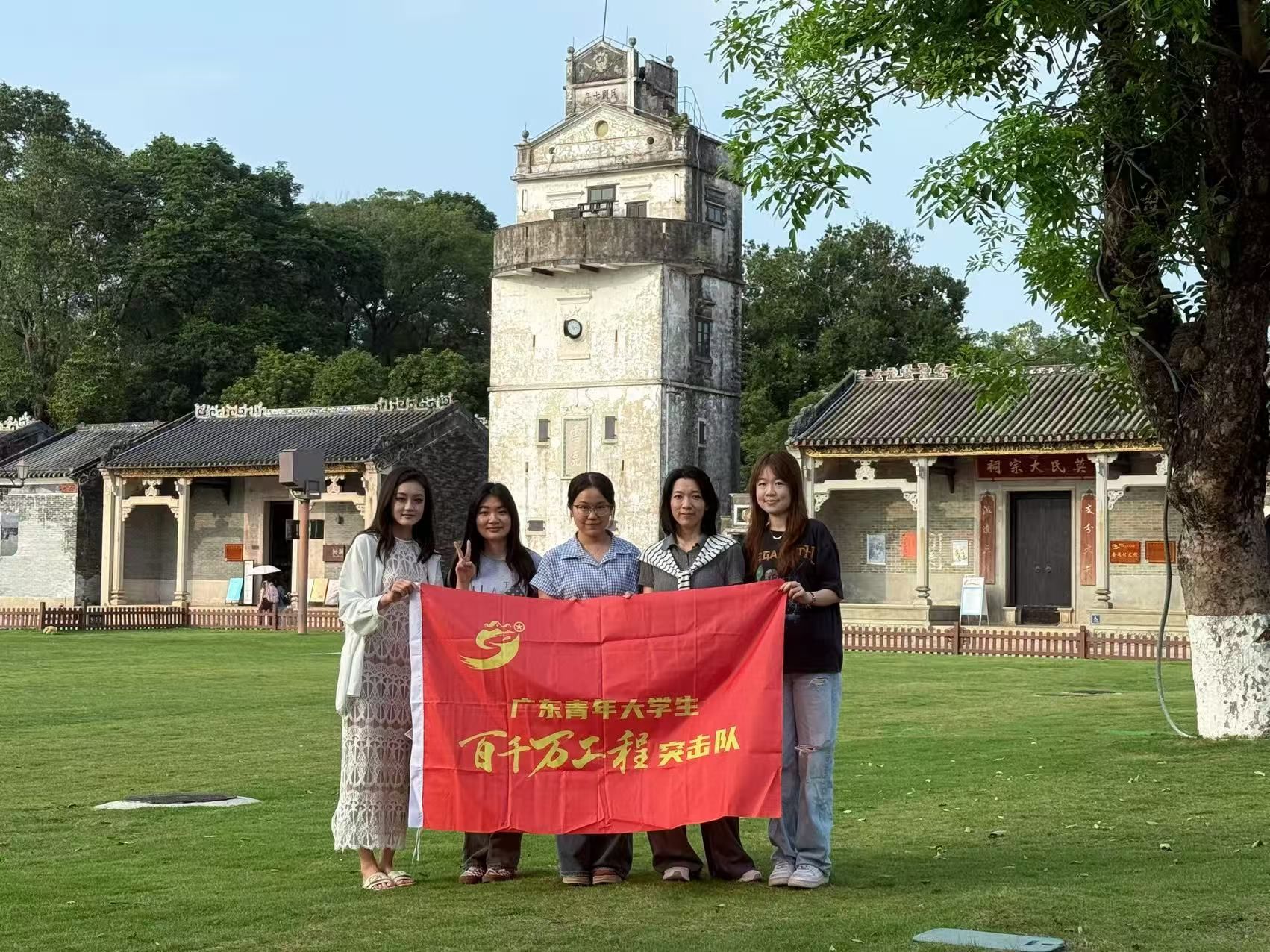
Huitong Community is steeped in history, preserving a distinctive architectural heritage that blends Chinese and Western styles. Located adjacent to BNBU, Beijing Normal University, and other universities, the community holds strong potential for cultural tourism and experiential learning. However, it continues to face challenges, including underutilized cultural resources and an industrial base lacking brand recognition. In response, the team drew on the policy framework of Guangdong Province's "Hundreds, Thousands, Millions" Programme, using rural tourism as a key driver to help position Huitong as a rural tourism destination in the Greater Bay Area.
Prior to the project launch, the task force conducted policy analysis, field visits, and questionnaire surveys, examining Huitong Community across three dimensions, namely policy and location, visitor profiling, and spatial and industrial pain points, to establish a grounded basis for planning recommendations.
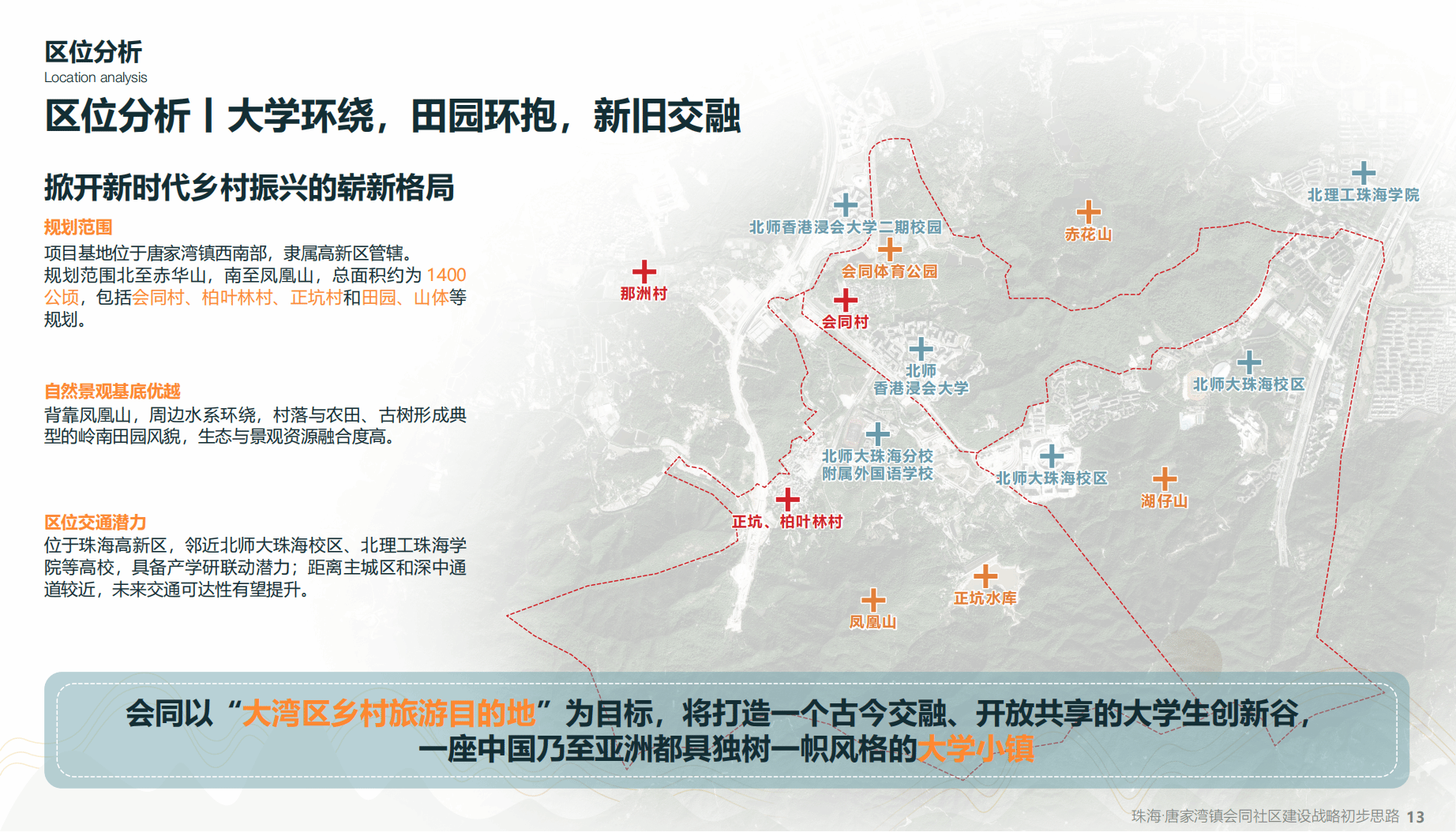
Building on these findings, the team developed an improvement plan spanning 2026 to 2035. At the spatial planning level, an overall structure of "one hub, one street, one road, and five zones" was proposed, centered on a creative services hub connecting the Moshi (Mo Family) Cultural Tourism Street and the Livable and Prosperous Harmony Road. Five themed zones were planned to cover Overseas Chinese Culture Experience, Vitality Exploration, Rural Folk Life, Countryside Scenic Experience and Field Study, and Original Oxygen Forest Health.
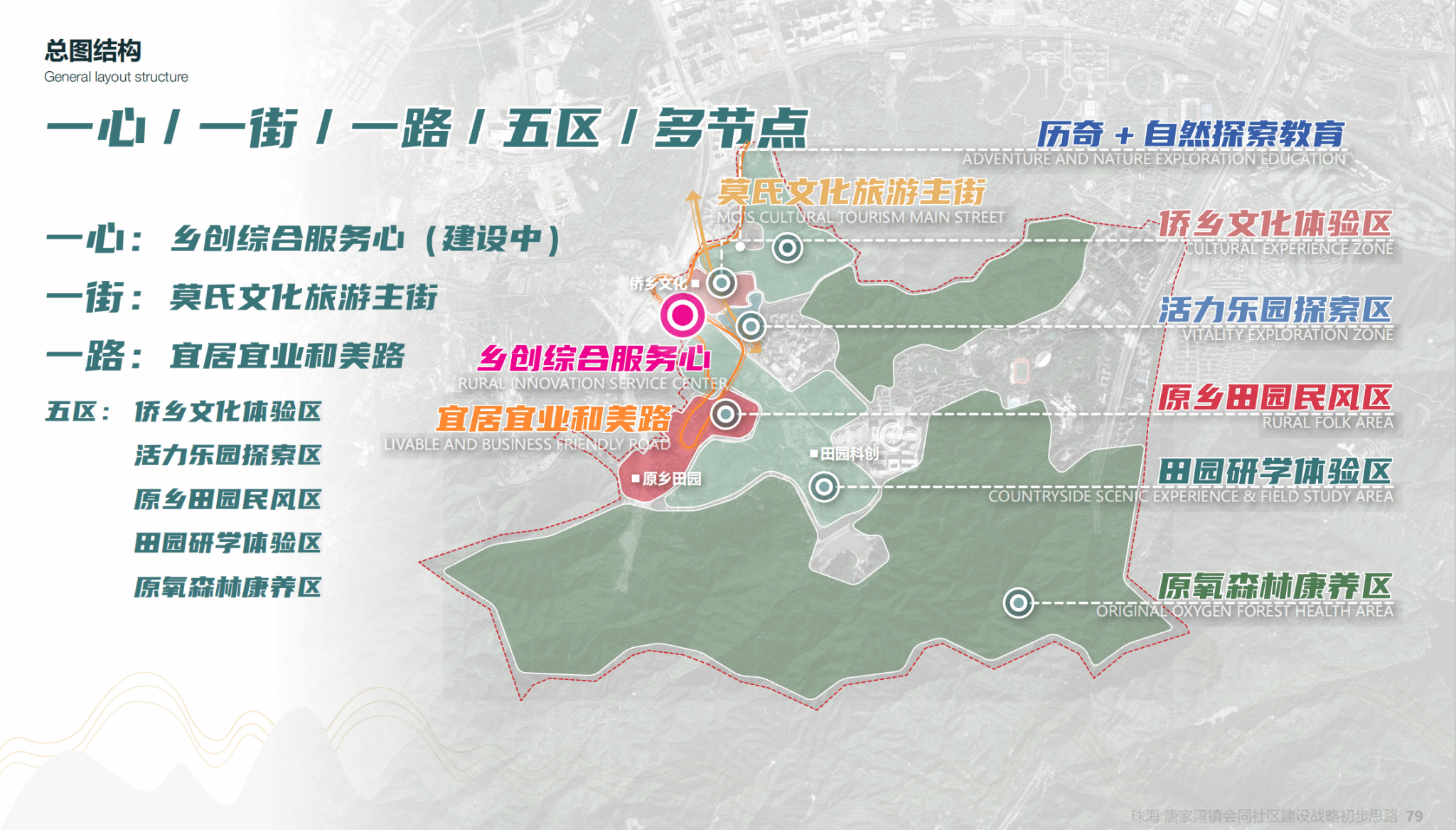
At the visual navigation level, the team conducted multiple field surveys in Huitong's historic village, using 360-degree imaging to document architectural facades, brick carvings, and decorative patterns. Through interviews with residents, merchants, and visitors to understand wayfinding needs, the team distilled local architectural elements and regional color palettes, ultimately producing a hand-drawn map and visitor guide combining navigational function with cultural character.
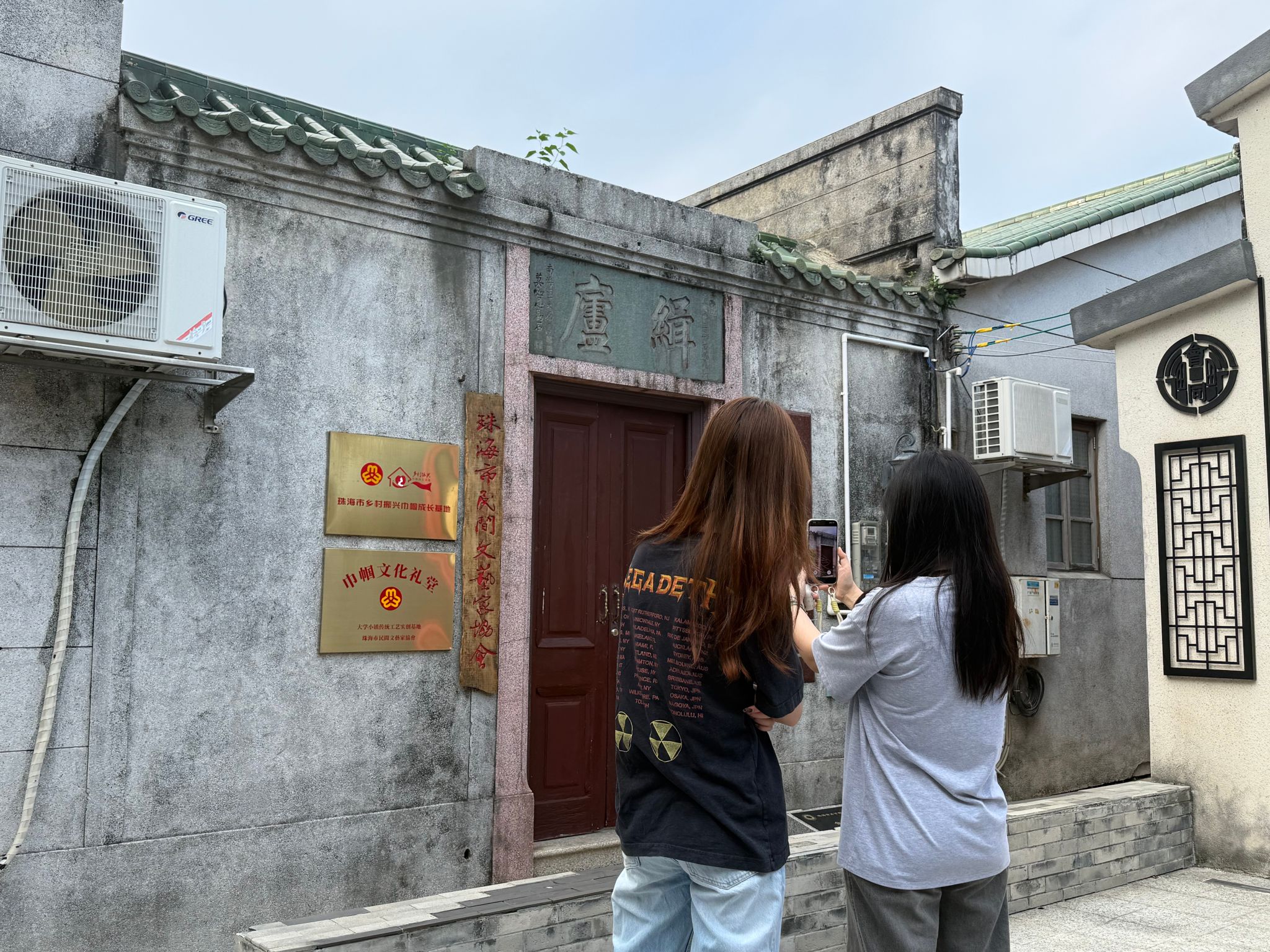
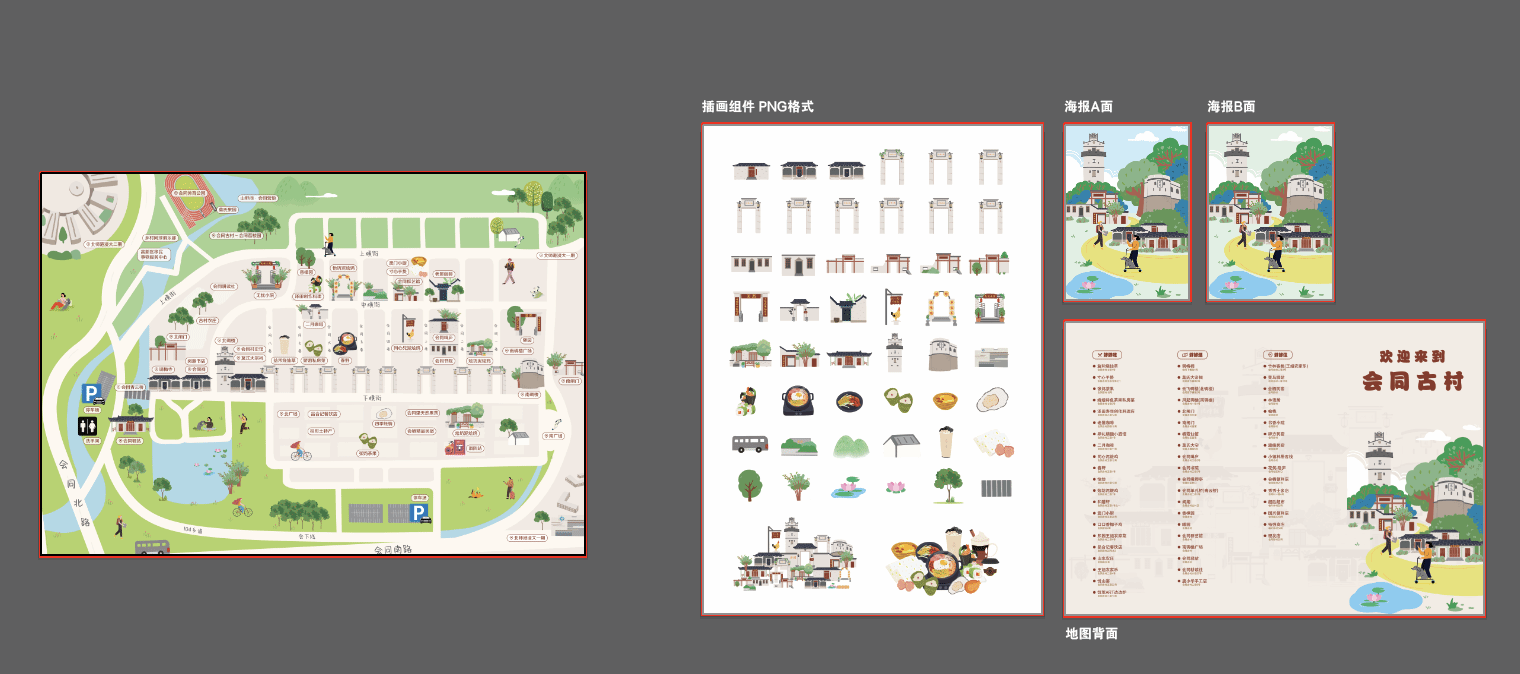
At the industrial operations level, the task force established four core industry pillars covering cultural tourism, ecological experience, family-oriented experiential learning, and campus-village co-creation, alongside a "Village Brain" smart management center. Signature initiatives including "The Past and Present of Moshi Legacy" immersive study tour and the "Huitong New Wave" youth maker space aim to transform abandoned village schools and idle courtyards into vibrant spaces for campus-community collaboration.
The task force anticipates delivering two key outcomes. First, it will compile the Zhuhai Tangjiawan Huitong Community Development and Improvement Plan (2026–2035), defining a vision, phased implementation roadmap, and actionable project pipeline covering spatial optimisation, cultural tourism products, and brand communication. Second, a hand-drawn map and navigation system will be completed to improve visitor experience and service efficiency, supporting Huitong's growth into a model cultural tourism village under the "Hundreds, Thousands, Millions" Programme.
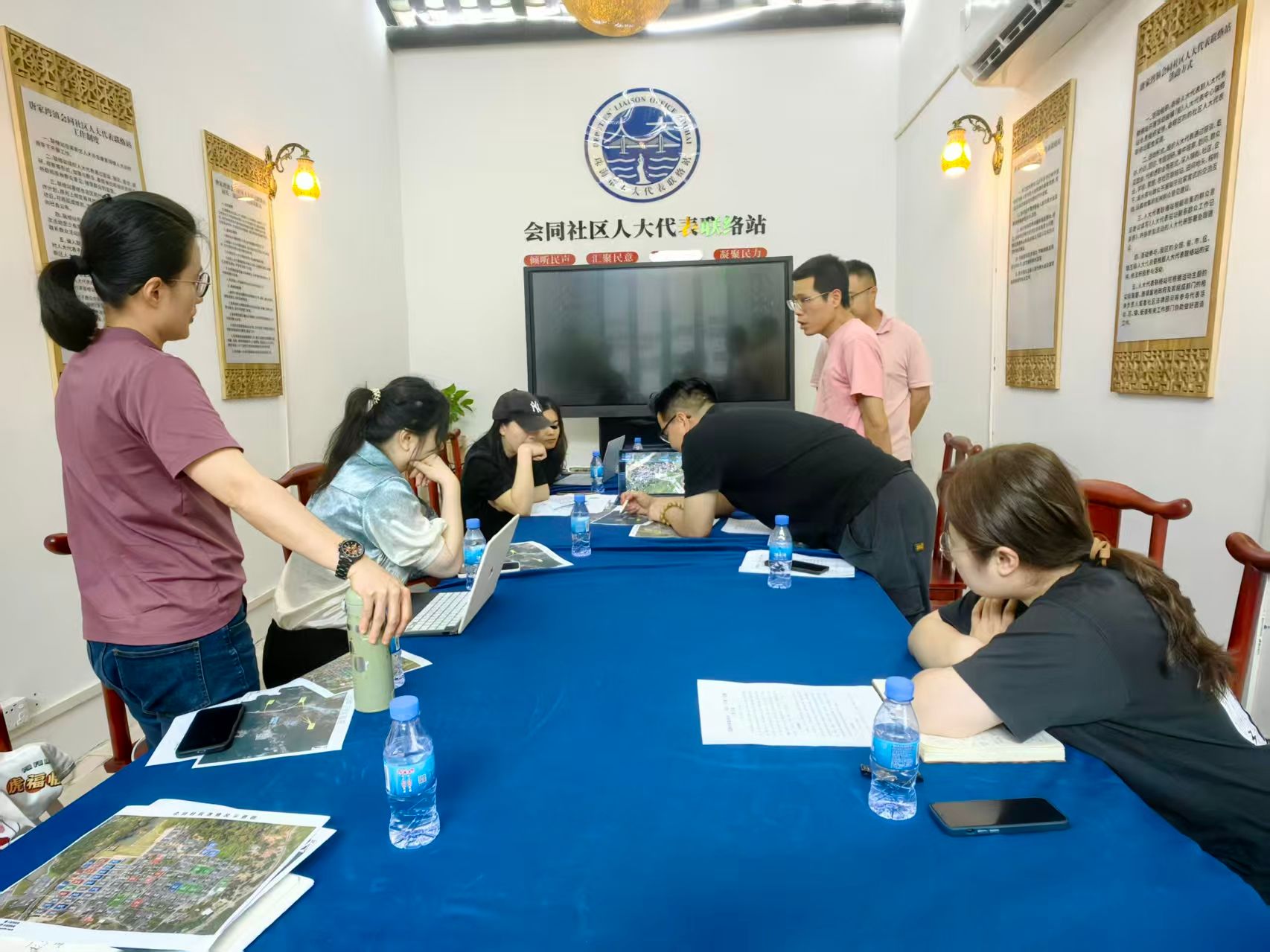
From campus to countryside, the team has brought fresh thinking to rural revitalization through cultural creativity and academic insight, letting Huitong's charm be truly seen. This reflects BNBU students' ability to translate academic learning into meaningful social practice, and the School’s active exploration in serving local communities and empowering rural revitalization through cultural tourism.
The past endures. The town renews.
Text: Wang Runmo, Lin Ziling, Chen Huanrong, Zhou Yihang
Photos: BNBU Huitong Community University Town Task Force
Editor: Wang Weilu
