[THEM Field Trip] Beyond the Classroom: THEM Students Explore Beishan Village’s Living Heritage and Night Economy
On the evening of April 20, 2026, students from two THEM courses joined forces for a collaborative field study at Beishan Village, one of Zhuhai’s most celebrated heritage-led cultural destinations. Led by Dr. Zhang Xiaonan and Dr. Cai Danting, the visit brought together students from THEM3123 Guest Experience Management and Strategy and THEM2043 Fundamentals of Tourism and Hospitality Studies in a shared experiential learning experience designed to connect classroom theory with the living realities of heritage tourism and destination management.
Beishan Village is one of Zhuhai's most successful examples of heritage conservation and commercial activation. With over 780 years of history and 108 preserved Lingnan heritage buildings, the village is home to more than 200 businesses spanning restaurants, cafes, art spaces, vintage shops, craft studios, and independent cultural venues, drawing an average of 10,000 visitors daily.
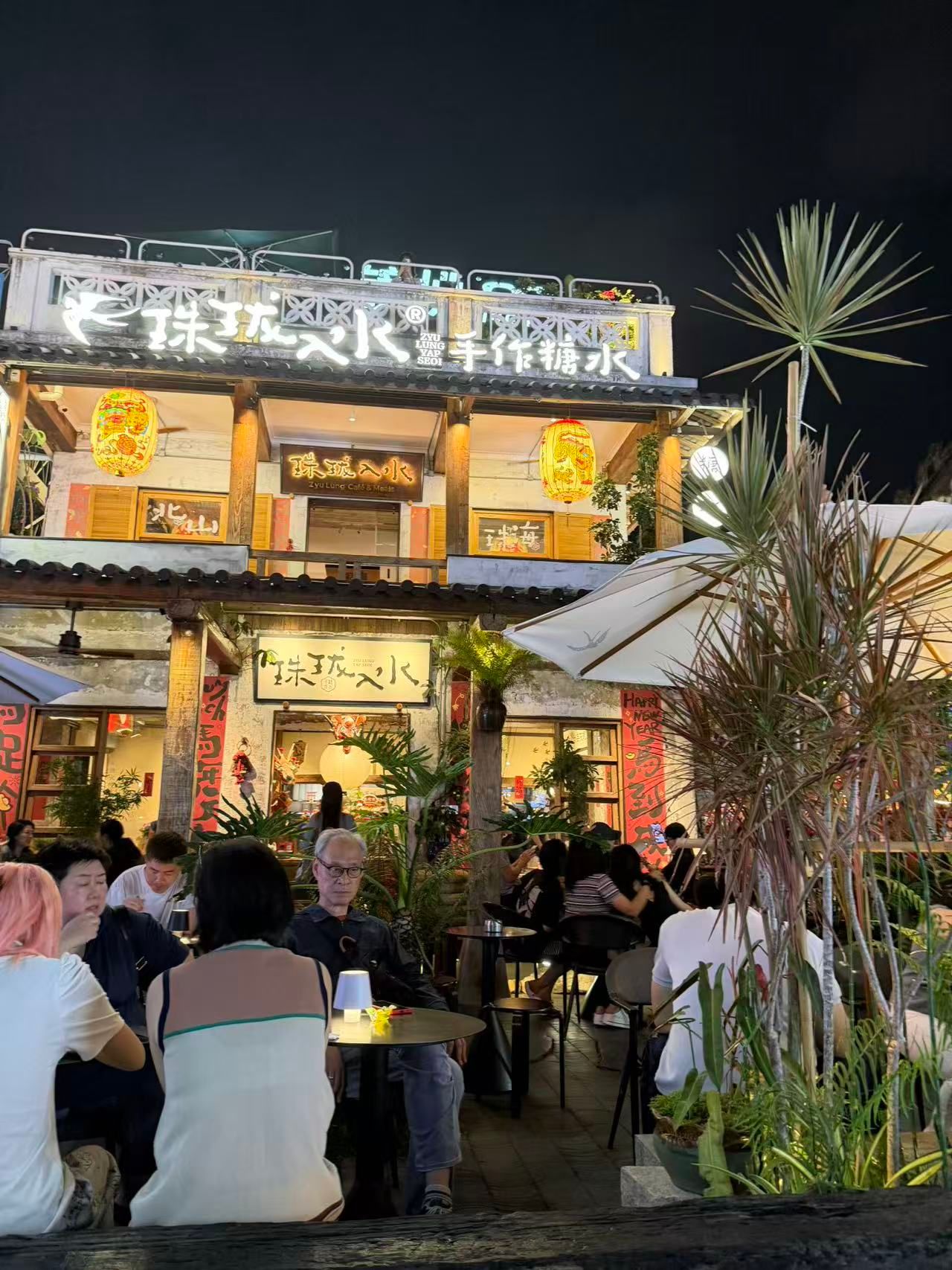
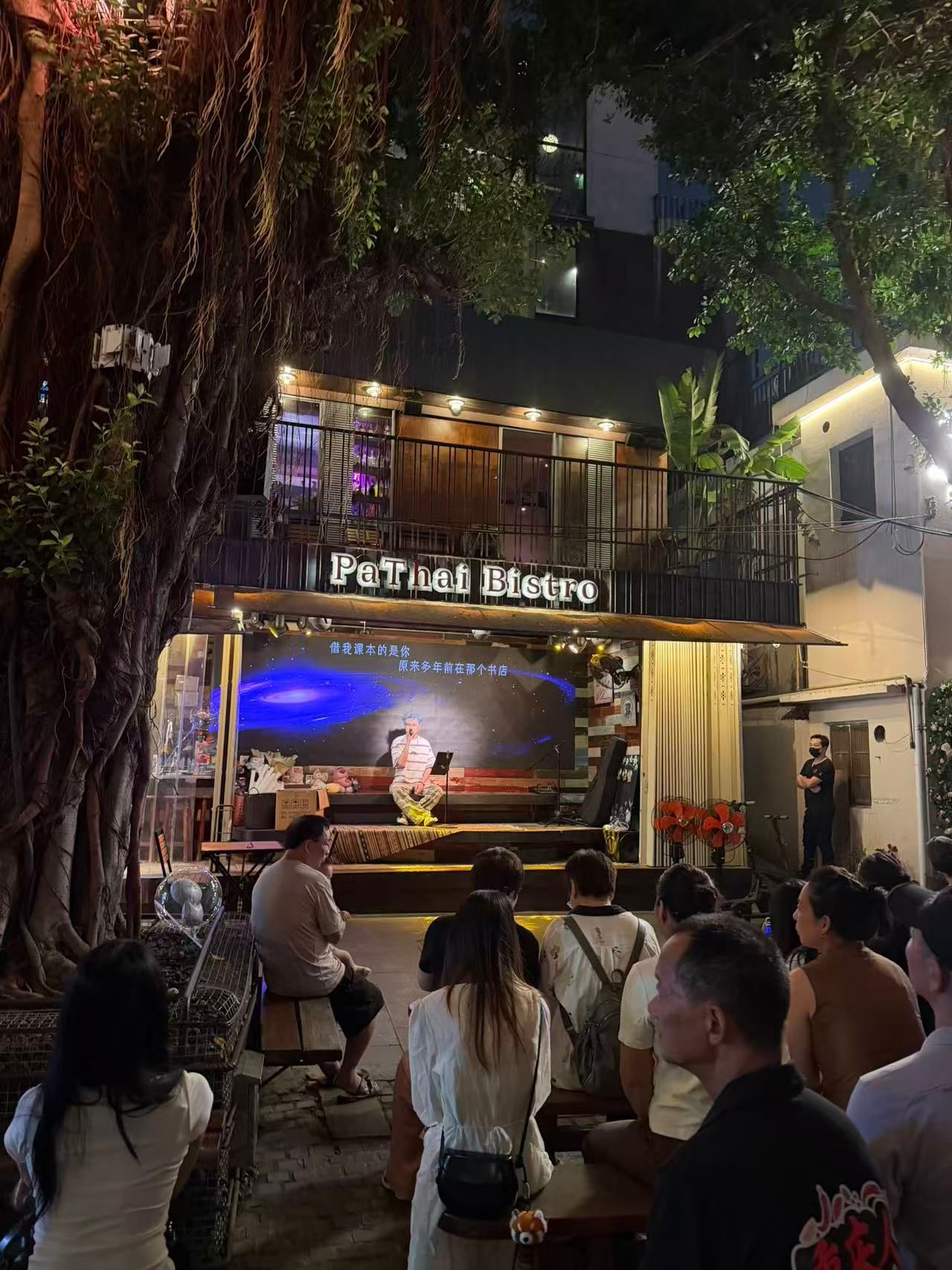
For students in THEM3123 Guest Experience Management and Strategy, led by Dr. Zhang Xiaonan, the Beishan visit served as an immersive application of guest experience theory. Applying course tools including guest journey mapping and service blueprinting, students systematically identified service touchpoints, front-stage and back-stage service elements, and explored how intentional experience design shapes visitor perceptions and destination memory.
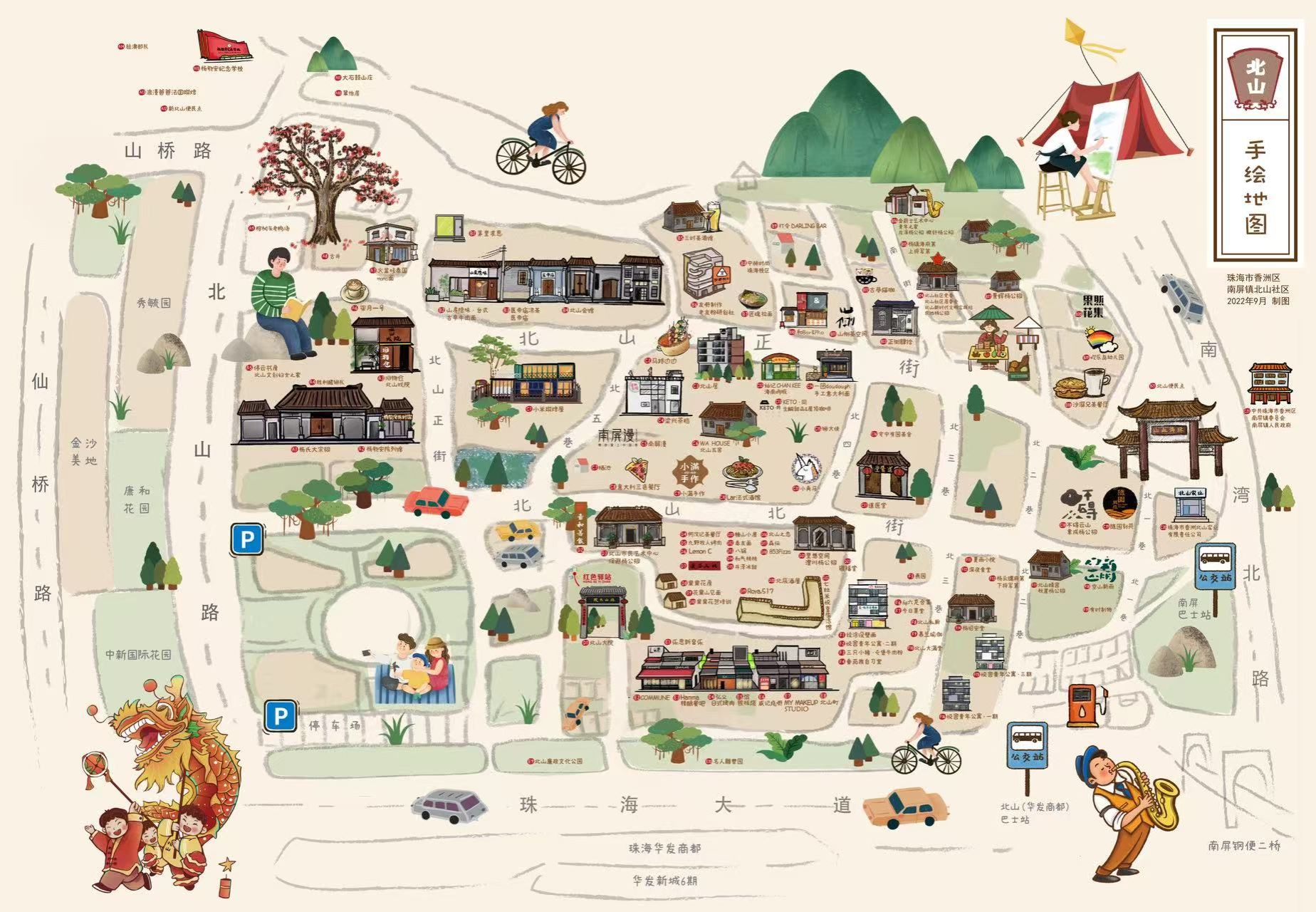
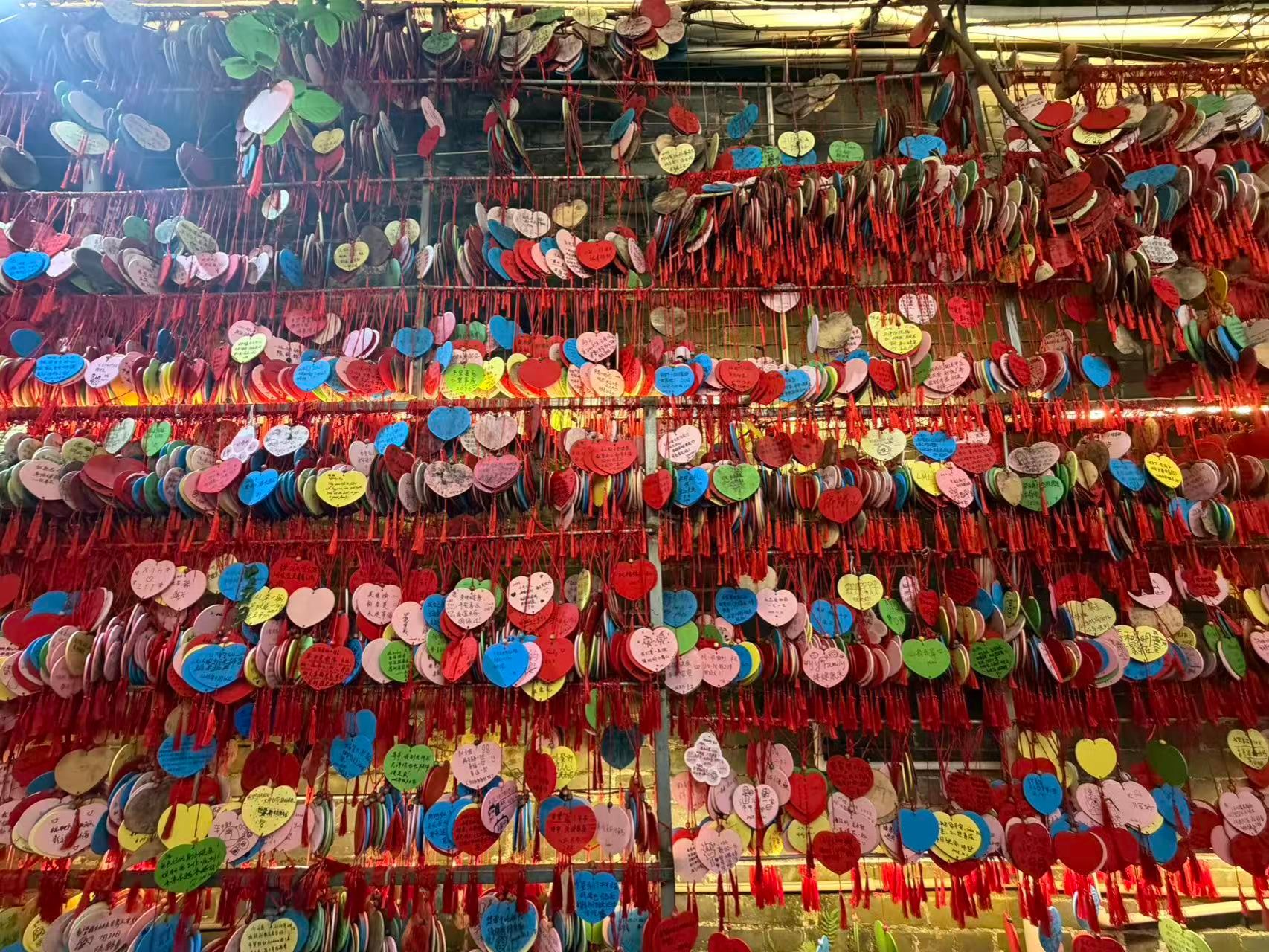
Dr. Cai Danting led THEM2043 Fundamentals of Tourism and Hospitality Studies students in a preparatory observation with their upcoming Huitong Ancient Village assignment in mind. Students focused on Beishan's night economy dimensions, including evening atmosphere and lighting, adaptive reuse of heritage spaces, and visitor behaviour patterns, reflecting on what makes a heritage destination compelling enough for visitors to stay longer, spend locally, and choose to overnight.
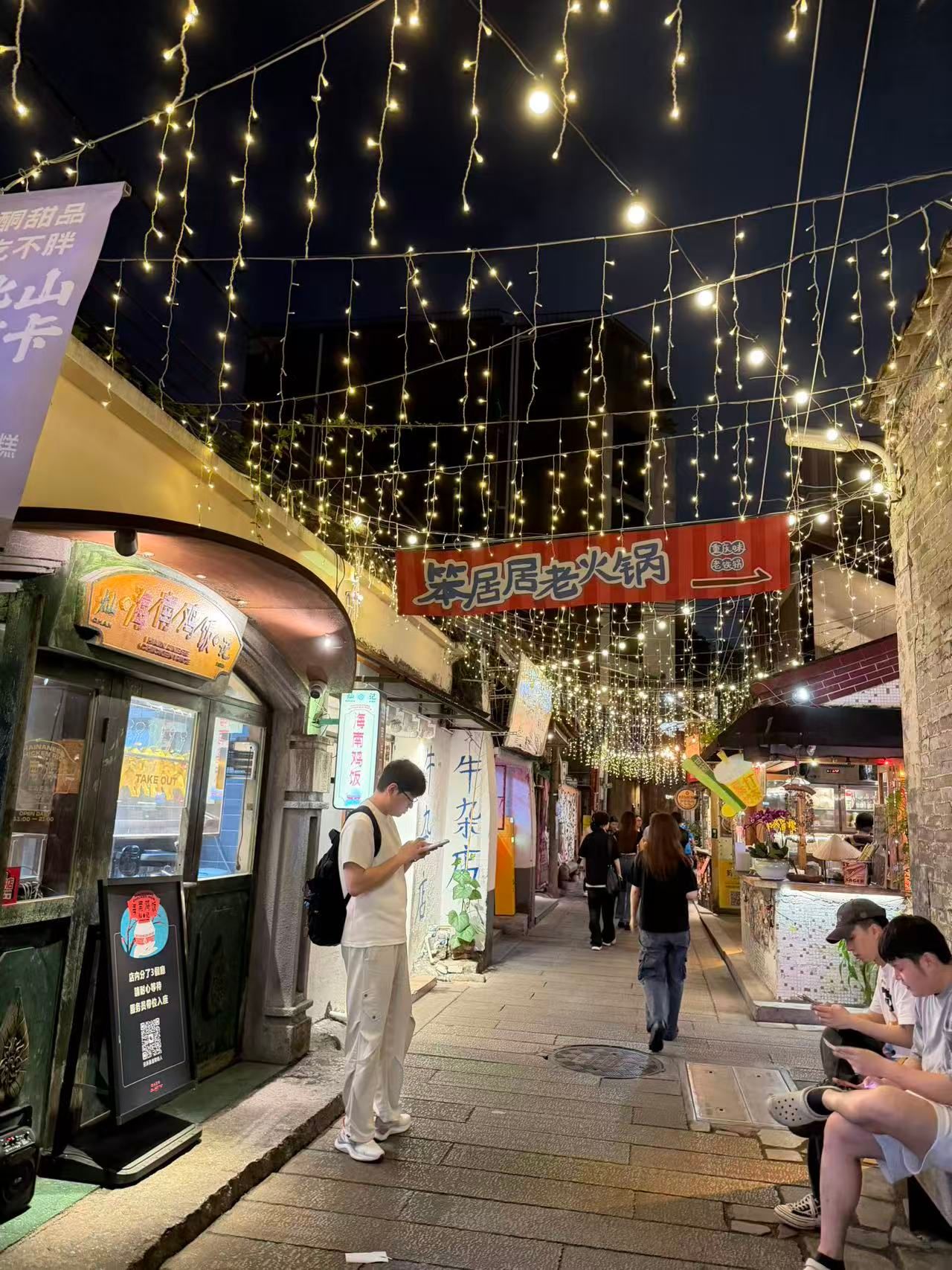
The cross-course structure of the visit brought together students from different year groups and analytical perspectives, creating an opportunity for shared observation and mutual learning. As a successful model of heritage activation, Beishan offered a rich and immediate case study where students were not simply observers but questioners, comparers, and reflectors, putting classroom concepts to the test in a real-world setting.
The Beishan visit is one component in a broader sequence of field-based learning activities for THEM students this semester. THEM2043 students will next travel to Huitong Ancient Village to conduct map audits and site diagnoses informed by their Beishan observations, with findings feeding into group presentations and case analyses. These activities reflect the THEM Programme's commitment to embedded, practice-based education, developing tourism and hospitality professionals with critical thinking and practical skills for the Greater Bay Area and beyond.
Text: Zhang Xiaonan, Cai Danting
Photos: Liu Kejia
Editor: Wang Weilu
