[CCM Cultural Industry Field Trip] Zhongshan Sanxiang Yongmo Village
On 23 September 2026, students of the Innovation in Culture and Tourism Course, led by Ms Wan Wanqi, Lecturer in Cultural and Creative Management (CCM) Programme, and Ms Xie Yi, Assistant Instructor, undertook a field visit to Yongmo Village in Sanxiang, Zhongshan.
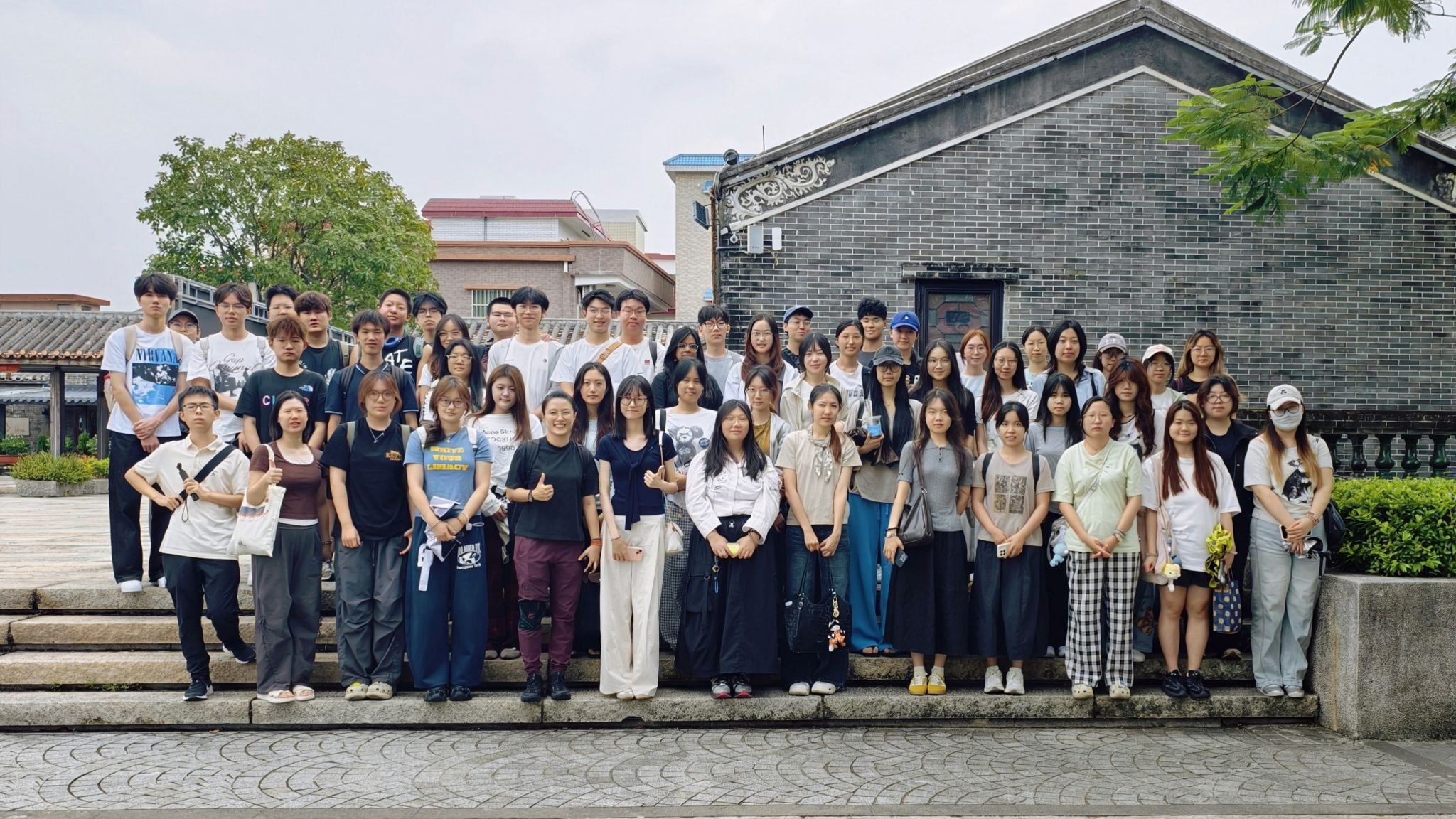
Group photo of teachers and students
Yongmo Village is the birthplace of the modern thinker and industrialist Zheng Guanying, and retains historical and cultural resources including traditional dwellings, ancestral halls and ancient pathways. Taking the connection between the cultural resources of ancient villages and tourism development as the point of departure, the visit examined the former residence of Zheng Guanying, Xiangshan Study and Staying Cranes Garden, in order to understand the different ways in which historic buildings and cultural spaces are being used. The former residence carries personal narratives and local memory; Xiangshan Study integrates an old building into everyday activities such as reading and relaxation; and Staying Cranes Garden combines Lingnan garden landscapes with the history of the village. These spaces provided students with concrete cases through which to observe the relationship between architectural conservation, cultural display and public services.
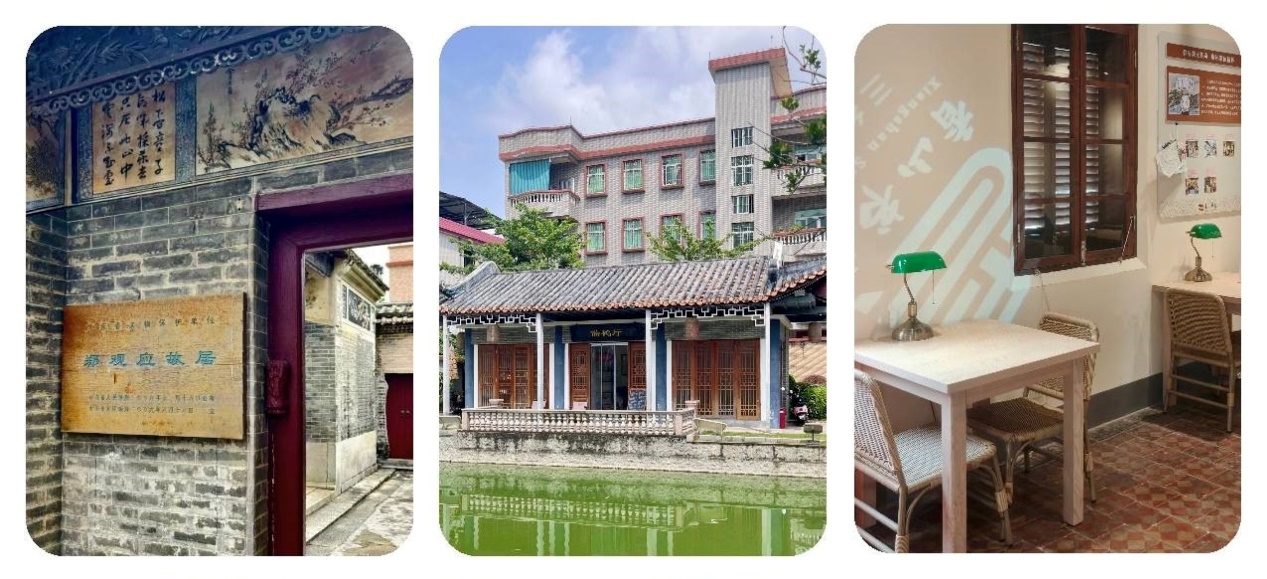
Architectural details of Zheng Guanying's former residence, Xiangshan Study, and views of Staying Cranes Garden
At the Konghou cultural theme hall, students turned their attention to the display and dissemination of traditional arts. The hall presents the construction, performance culture and development history of the Konghou, bringing this traditional instrument into public view through physical instruments and related displays. From the form of the instrument to the tools used in its making, the various exhibits help students to understand traditional craftsmanship and prompt them to consider how specialised artistic knowledge can be translated into content that is readily accessible to the public, so that traditional culture may be presented and disseminated more vividly within tourism contexts.
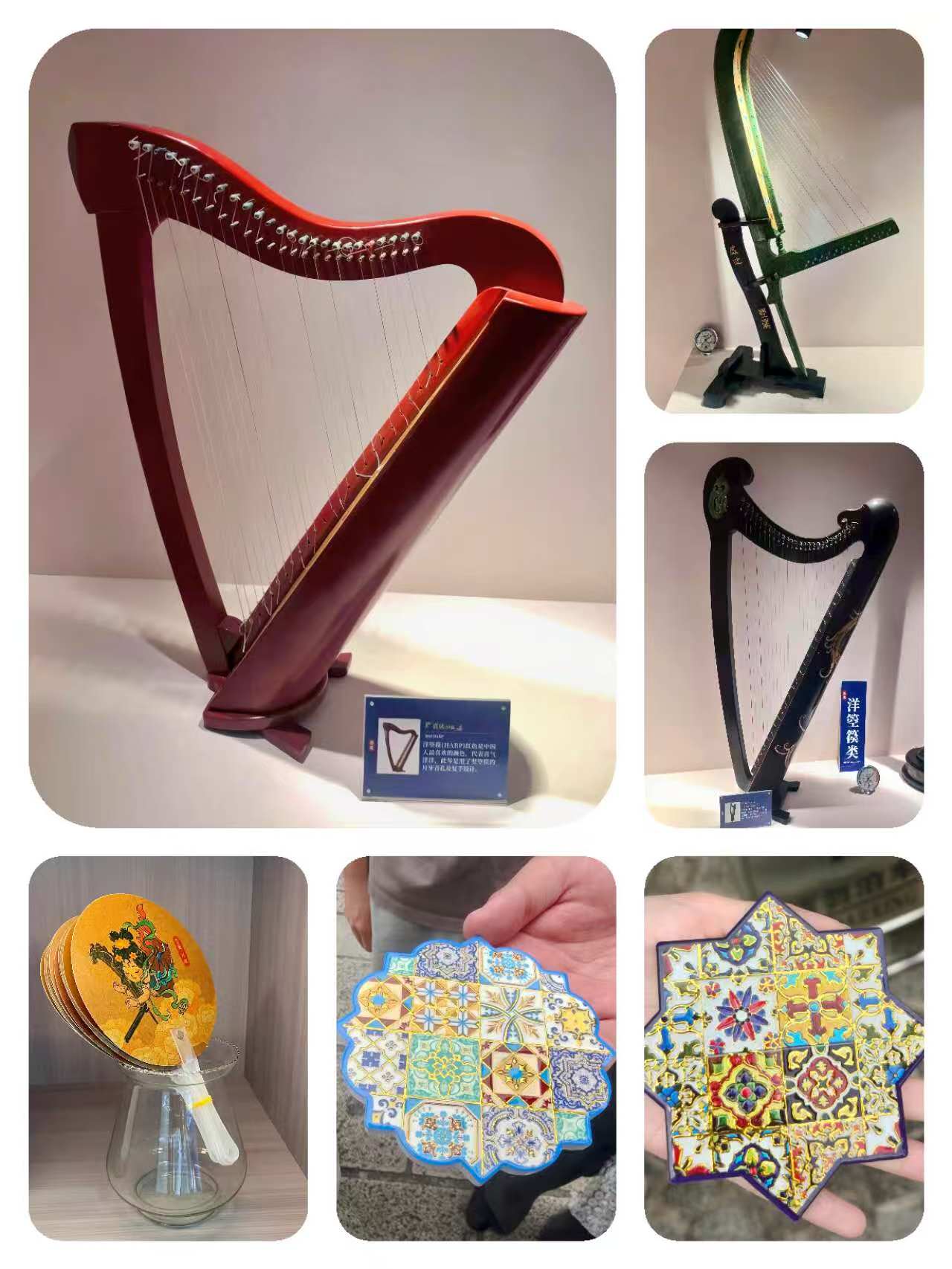
Views, exhibits, making tools and related displays of the Konghou Cultural Theme Hall
Local culinary culture also formed a key strand of the field study. Students’ observations moved beyond cultural venues to pastry shops and everyday dining tables, offering visitors an alternative lens through which to engage with Sanxiang. Drawing on their own encounters, students reflected on how distinctive local foods act as carriers of local memory, and how food and beverage businesses bridge local life and the visitor experience.
This visit linked historic buildings, traditional arts and local cuisine, enabling students to understand the relationship between culture and tourism innovation through concrete settings. The appeal of an ancient village derives both from its historic character and from the everyday life that continues within it. How to preserve local distinctiveness while making culture more widely understood and enabling spaces to continue to serve a purpose is a question that this research prompts further reflection upon. These observations also provide material for subsequent coursework and case analysis, helping students to understand ancient village revitalisation from the different perspectives of cultural transmission, public experience and local development.
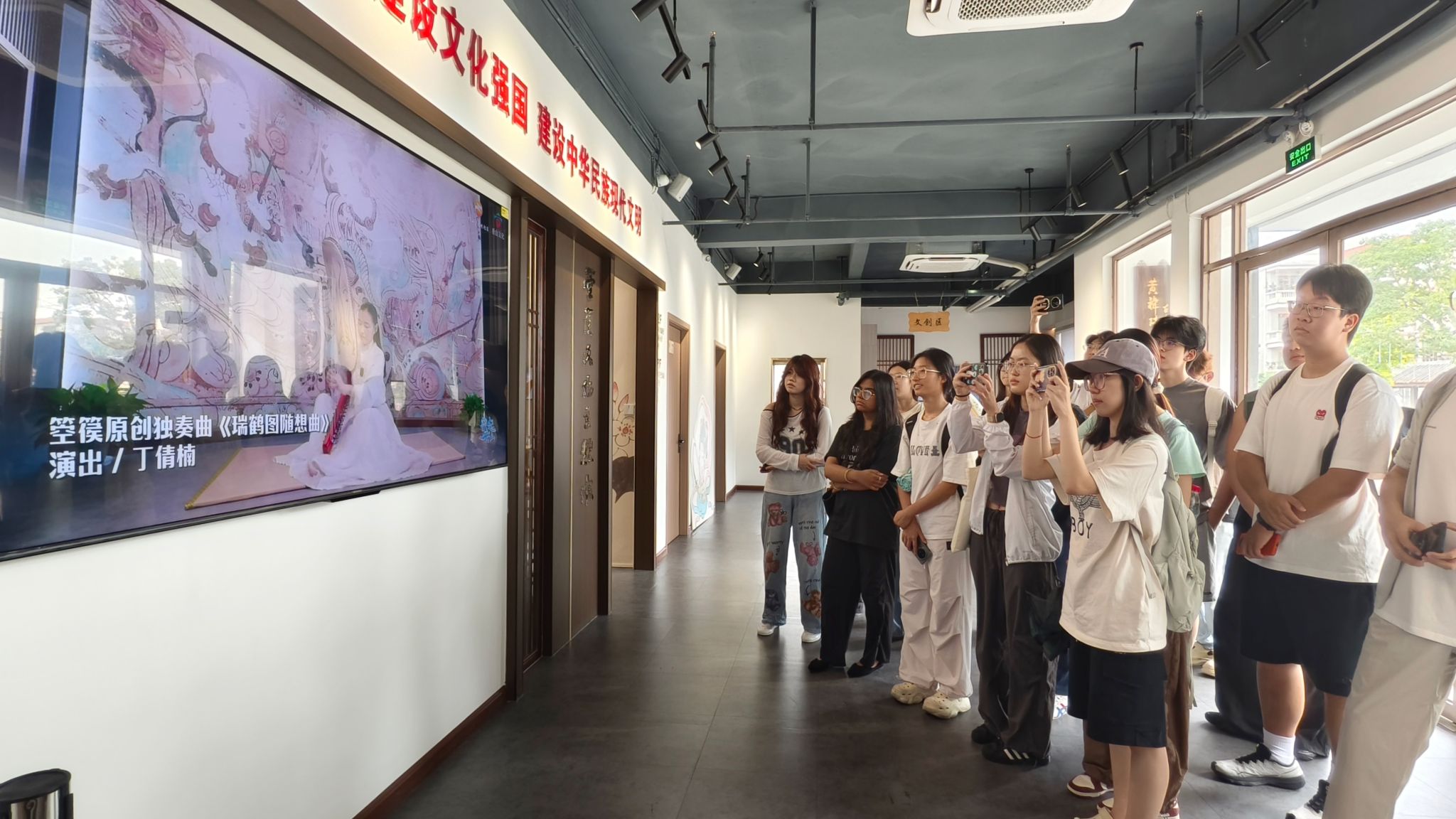
Students were watching the Konghou performance video
Text: Tan Yifan
Photo: Tan Yifan, Xie Yi
Edit: Wan Wanqi, Xie Yi
