[CCM Cultural Industry Field Trip] Zhongshan Museum
On March 18, 2026, the students enrolled in the CCM3133 Exhibition Design: Creative Interpretation and Management, CCM2093 Culture, Creativity and Management, and GTCU2023 Culture and Arts – Images, Objects, and Themes courses visited Zhongshan Museum under the guidance of Associate Professor Dr. Purrie Pui-Yee NG and Assistant Instructor Ms. Yi XIE of Culture, Creativity and Management’s Programme (CCM).

Zhongshan Museum is a comprehensive local museum integrating collection, research, exhibition, and education. It is under the jurisdiction of Zhongshan Culture and Tourism Bureau. Established on September 28, 1984, the museum has several specialized museums, including Xiangshan Commercial Culture Museum, Zhongshan Overseas Chinese History Museum, and Zhongshan Radio Museum. The new museum was completed and opened to the public on May 18, 2022. Within museum area, there are two immovable cultural relics, the former Zhongshan County Committee 139 Guesthouse and the former residence of Zheng Zaoru, as well as the former site of Zhonghua Zhongshan Public Hospital.


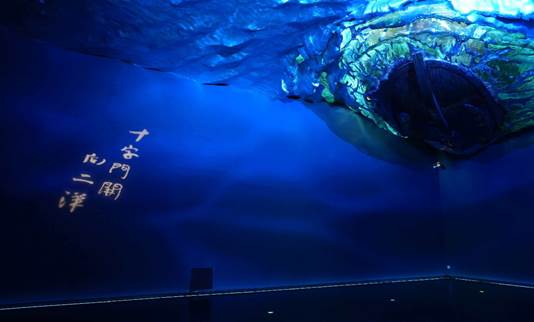
The permanent exhibition "Wind Rising over Lingdingyang - The History of Zhongshan" comprehensively presents the 5000-year development history of Zhongshan. When students appreciate the magnificent historical scenes in the exhibition, the cultural relics and images with embodied memories become a bond spanning time and space, connecting them to the pioneering and forward-reaching journey of the struggle of the Zhongshan people. They also understand the spiritual temperament of the city, characterised by pioneering spirit, openness, and inclusiveness in its history. During the visit, instead of merely appreciating historical relics, students delved deeply into analysing the role of relics in constructing narrative themes.
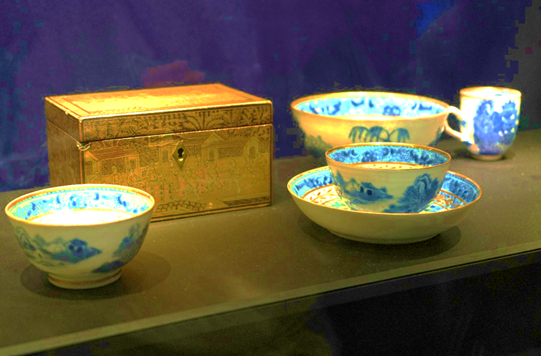
The exhibition features a number of sections, covering Shatian folk customs and the international trade practised by Zhongshan residents, transforming the abstract historical context into concrete visual presentations. The exhibited cultural relics are not only a true reflection of Zhongshan's journey from Shatian to a window to world civilisation but also demonstrate the profound and enduring historical depth of the land.

While experiencing the historical depth of Zhongshan, the students also visited the exhibition "The Vastness of the Ocean - Historical Display of Overseas Chinese in Zhongshan", appreciating a cultural root-seeking journey across the ocean in the century-long history of struggle of overseas Chinese. The exhibition focuses on the journey and patriotic sentiments of overseas Chinese in Zhongshan. Its narrative and layout provide students with valuable curatorial cases, allowing them to develop better understandings of the application of knowledge for the courses during on-site visits. The unique contributions of overseas Chinese in connecting China and the rest of the world have merged into the history. Their pioneering and patriotic spirits have formed a spiritual resonance that transcends time and space, further demonstrating the connotation and meaning of patriotism.

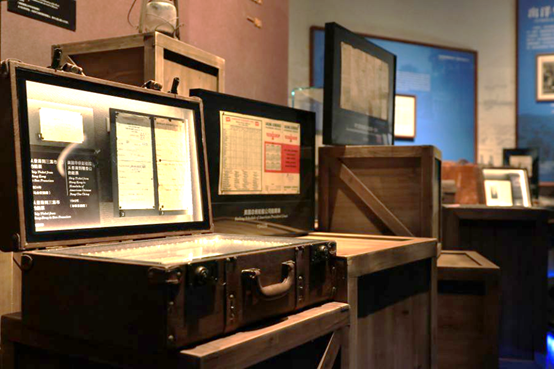
Through the visit and learning experience, the students gained new insights into the cultural history: History is not a static exhibit but a flowing cultural vein and a spiritual bond, connecting the past and the future. "True knowledge comes from practice." By observing the real-world practices of the cultural industry, students deepened their understanding of the course content.
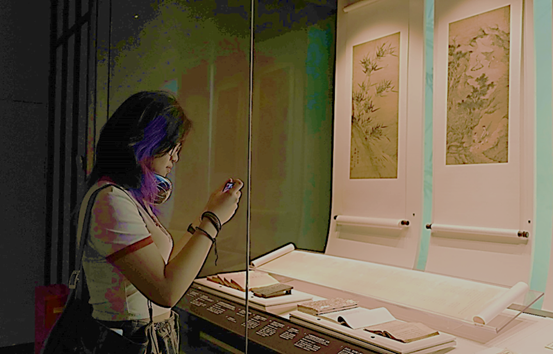
To conclude, three key learning outcomes can be highlighted. Firstly, students gain richer authentic experience of historical heritage, encompassing everyday accessories, artefacts, cuisine and beverages, rituals and customs, and commercial traditions tied to renowned local cities. The maritime trade routes along China’s coast linked the nation with other Asian countries. Historical trade agreements, signage and certificates represent precious cultural relics. Secondly, students are immersed in heritage contexts through diverse and engaging exhibition media at the museum, including two‑dimensional photographs, three‑dimensional artefact displays and videos. Lastly, students learn to appreciate cultural and artistic objects from five core elements: scale, subject matter, materials, craftsmanship and stylistic features, as well as the production media employed. Collectively, these dimensions cultivate students’ aesthetic sensitivity as well as broaden and deepen their scopes of cultural appreciation.
Text: Baoqi HU
Images: Baoqi HU
Reviewer: Purrie NG
