
How do creative ideas from the classroom evolve into real-world projects? What distinguishes personal work from commercial production? And when creators enter the industry—confronted with diverse types of games and esports projects—how can they translate their concepts into tangible audiovisual expressions?
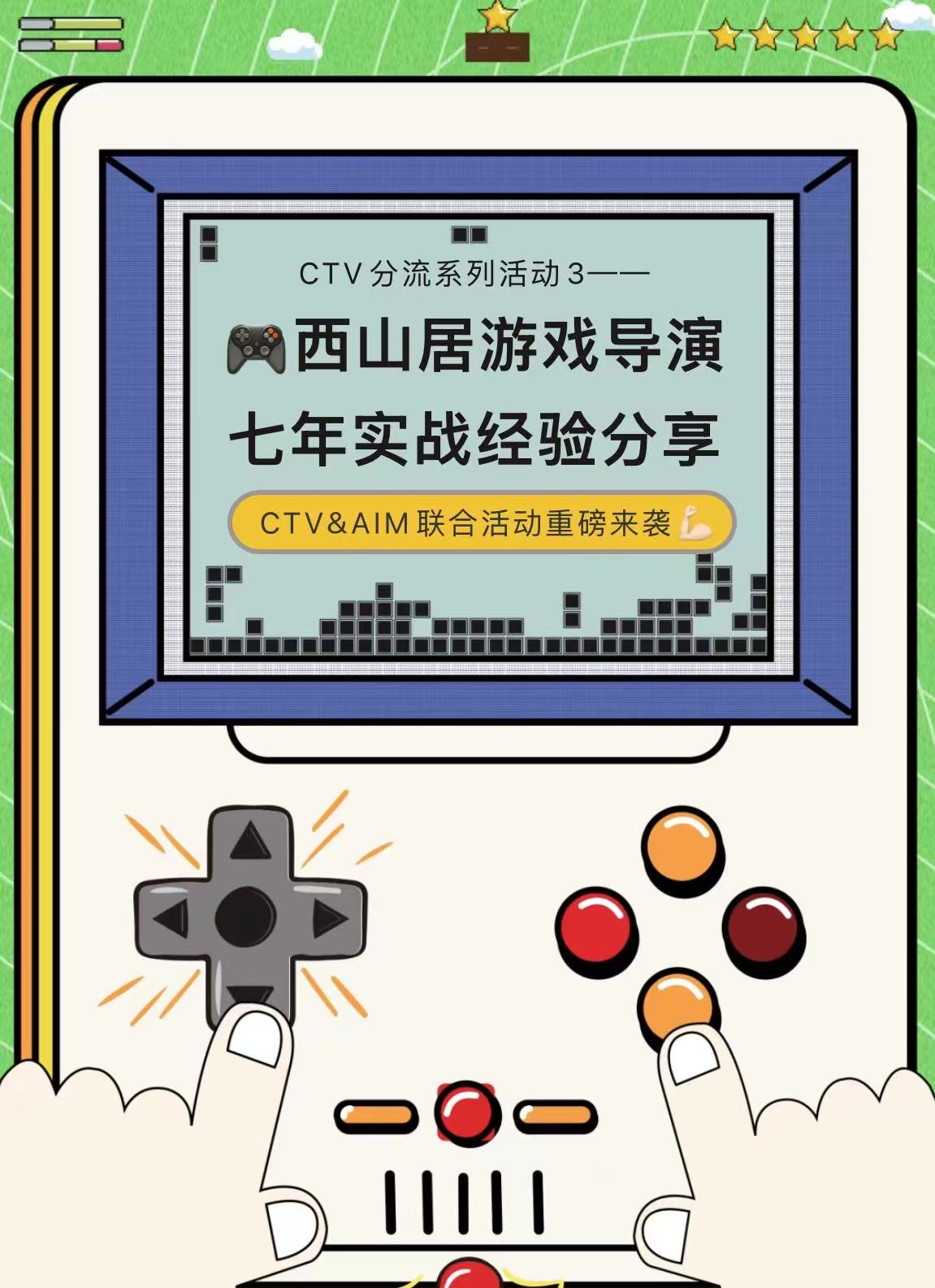
On October 12, 2026, the third event in the CTV specialization series—co-hosted by the CTV and AIM programs—took place in room T5-105. Titled "From Classroom to Practice: Seven Years of Field Experience from a Game Director at Seasun Games," the session featured game director and CG visual director Yang Yuchen as the guest speaker. Drawing on his seven years in the gaming industry, Yang shared insights and lessons from his transition from academic studies to commercial project execution. He offered students a deeper look into the creative processes within the gaming and esports sectors, as well as how specialized professional knowledge is applied in a real-world working environment.
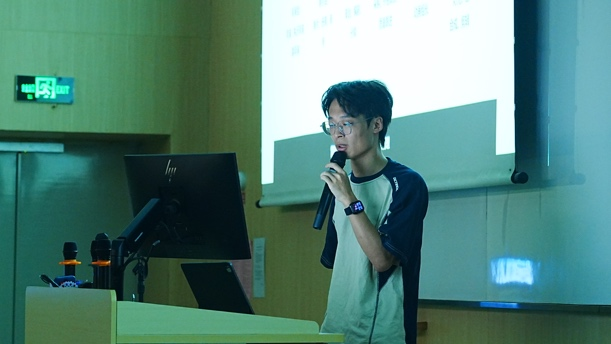
From Campus to Industry: Seven Years of Game Creation Practice
Yang Yuchen possesses seven years of professional experience in the gaming industry. Currently serving as a Game Director at Seasun Games, he oversees global marketing and promotion for Jianxia World 4. His passion for 3D modeling began in high school, where he first started creating his own original work. Following his graduation, he joined NetEase, where he worked as a director and producer for NetEase Esports. During his tenure, he contributed to promotional projects for titles such as Naraka: Bladepoint, Identity V, Peace Elite (PUBG Mobile China), and Eggy Party, as well as esports events like the COA (Call of the Abyss) tournament.
Beyond his work in gaming and esports, Yang Yuchen is a contracted writer for GGAC and has ranked among the top 100 in a global rendering competition, reflecting his extensive experience in game visual creation and CG art.
From his academic training to a diverse range of commercial projects—encompassing both game marketing and the production of esports events—Yang Yuchen’s career trajectory illustrates the versatile applications of visual content creation. The gaming industry demands more than just creativity and visual flair; it requires creators to deeply understand project requirements, master production workflows, and continuously refine their creative strategies through team collaboration and hands-on execution.
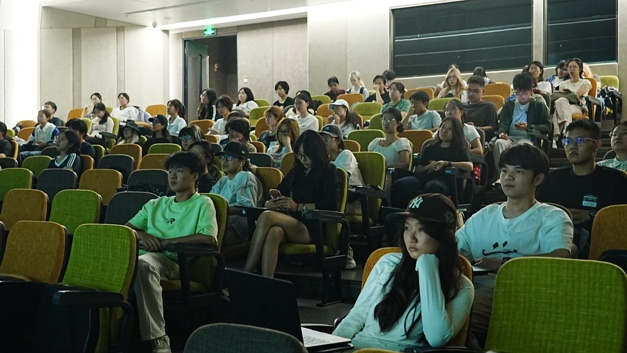
From Personal Projects to Commercial Work: Reimagining the Creative Process
Yang Yuchen notes that for students of film, television, and media, personal projects serve as a vital starting point—a space to explore creativity, develop a distinct style, and gain experience. However, when shifting to commercial projects, the objectives, production requirements, and operational constraints inevitably change.
How can one strike a balance between personal expression and project requirements? How can an initial creative concept be transformed into a viable, actionable plan? And how should a director adapt their creative approach when working across different types of games or esports projects?
These questions represent a crucial transition as one moves from the classroom to the professional industry. While personal work offers the freedom to explore and experiment, commercial projects demand that creators advance their work within the framework of clear goals and practical limitations. A creative idea is not merely something to be proposed; it must be carefully planned, communicated, and executed to ultimately become a finished audiovisual work.
Exploring the full potential of professional expertise from a director’s perspective.
A director’s role extends beyond generating creative concepts; it requires transforming those ideas into concrete execution plans and coordinating various stages throughout a project’s development. In the realms of game promotion and esports content production, in particular, creators must tailor their approach to the specific nature of each project—leveraging cinematography, visual design, and narrative storytelling to showcase game content, establish a distinct visual style, and maximize impact.
Whether working on promotional material for a game or content for an esports tournament, different types of production tasks demand unique creative thinking and execution skills from a director. This demonstrates that the core competencies cultivated in film and television studies—such as mastery of cinematic language, audiovisual expression, editorial logic, and visual design—are not confined to traditional film and television production. Instead, they are highly transferable to fields like gaming, esports, CG (computer-generated) visuals, and other forms of digital content.
For students currently building their portfolios or planning their future career paths, gaining insight into how real-world projects are executed can help them re-evaluate their existing professional foundation and consider how to translate classroom learning into practical, industry-ready skills.
Let what you learn in class find direction in practice
From creative exercises in film and television classes to commercial projects in the game industry, creators need to constantly test their ideas in practice and adjust their creative methods according to different production needs.
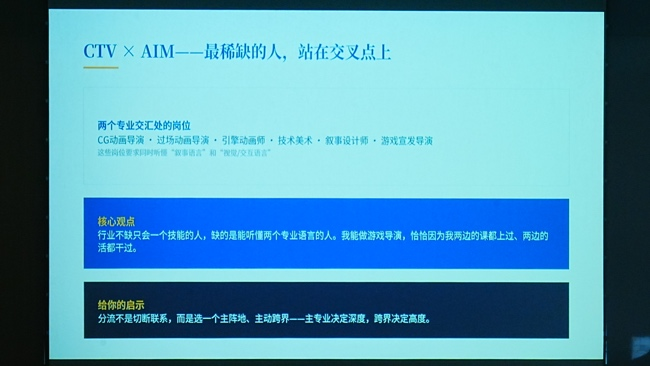
This sharing event jointly organized by CTV and AIM majors uses Yang Yuchen's seven years of industry practice as the entry point, providing students with the opportunity to understand the gaming and e-sports industry, and also expanding everyone's understanding of career paths in film, television and visual creation.
The significance of professional learning lies not only in mastering creative tools and techniques, but also in gradually establishing an understanding of images, narrative and visual expression, and learning to apply these abilities to different creative environments.
©2024-2025 Beijing Normal-Hong Kong Baptist University(BNBU).All Rights Reserved.粤ICP备07509519号粤公网安备44049102496044.
