
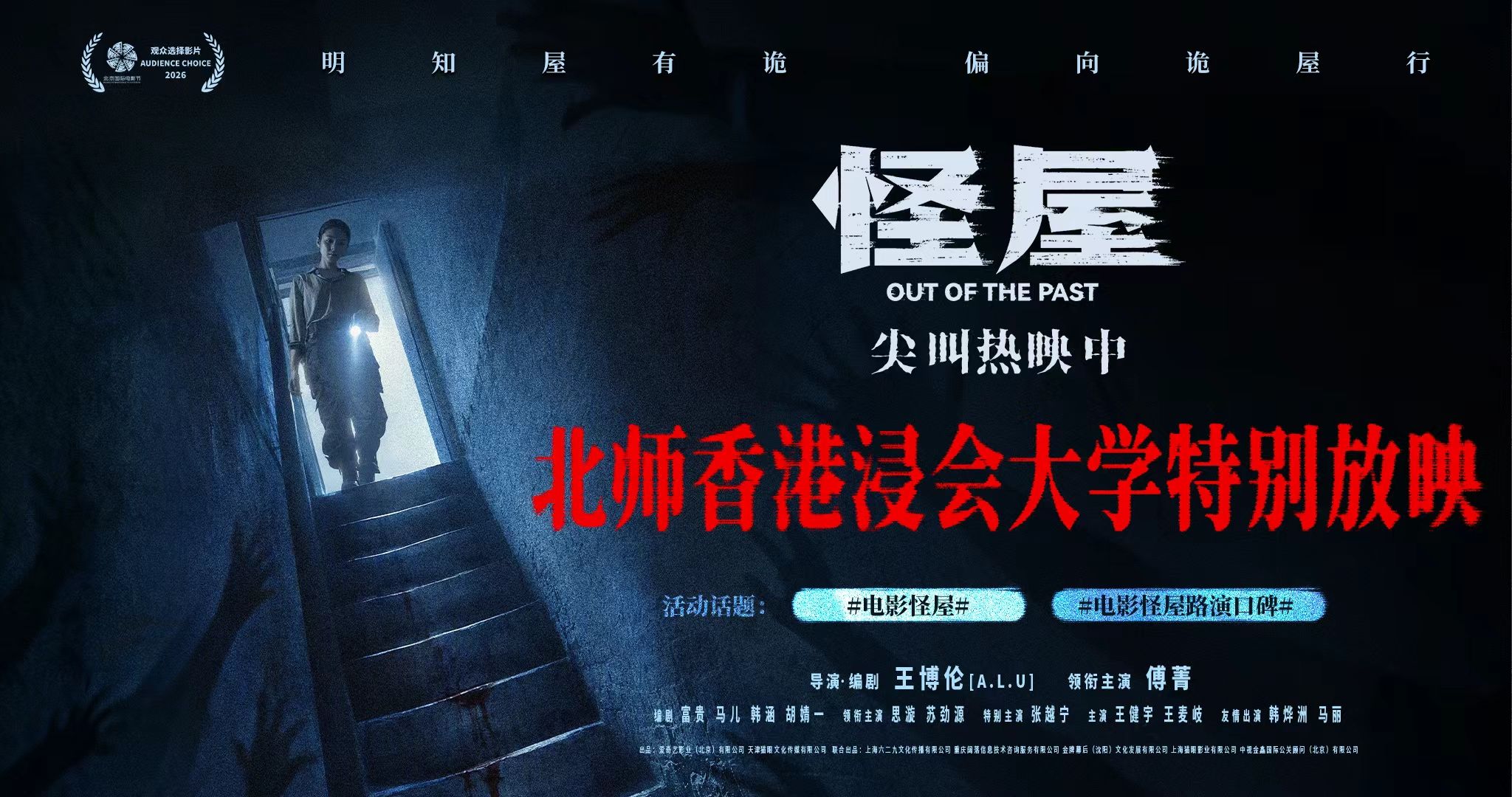
The final appearance of a film is the result of meticulous design behind the lens. From the selection of camera angles and the choreography of camera movement to lighting, composition, and mise-en-scène, every cinematographic decision is intrinsically linked to the film’s visual expression. How to translate creative vision into concrete imagery—and how to balance artistic expression with practical execution during production—are topics well worth exploring in depth within the realm of filmmaking.
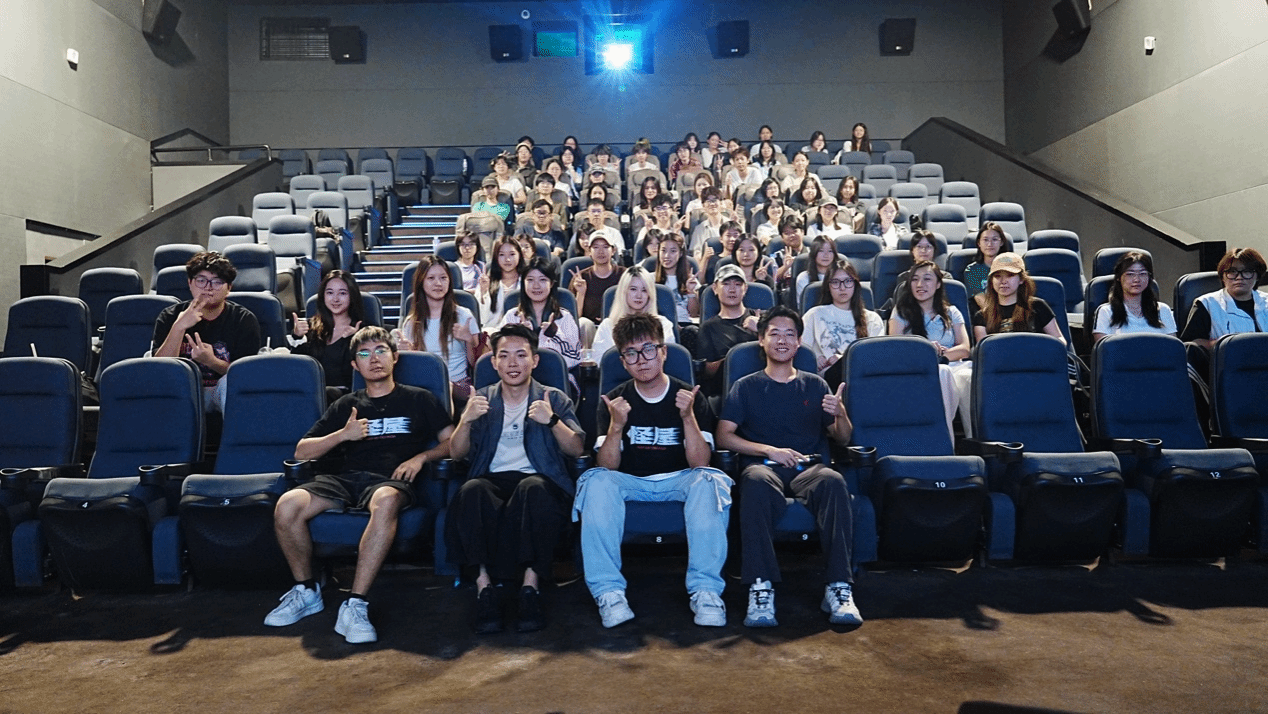
On September 23, the second event in the CTV Branching Out series focused on the theatrical feature film Out of the Past, produced by iQIYI. Through a screening of the film followed by a discussion with the creative team, students were given a rare, up-close look at the behind-the-scenes work of filmmaking. The event featured director Wang Bolun, assistant director (and outstanding CTV alumnus) Wang Hanxiang, and cinematographer Huang Lei. Drawing on their practical experience from the production, they shared insights into the processes of filming and cinematography, helping students gain a deeper understanding of the thought and intentionality behind the use of cinematic language.
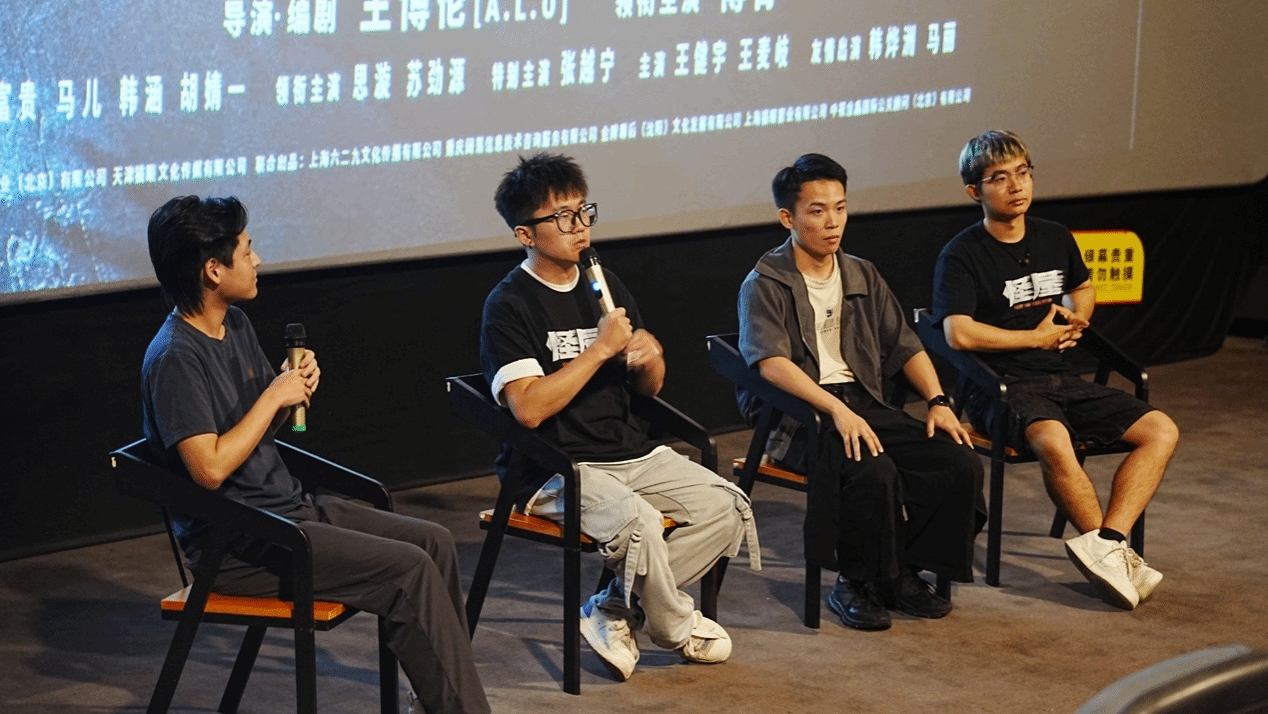
Exploring Out of the Past: Understanding Filmmaking Through On-Screen Imagery
Film conveys emotion not only through its story but also by shaping the viewer’s experience via camera work, lighting, composition, and spatial relationships. As a vital component of a film’s audiovisual language, cinematography determines how images are presented while playing a key role in establishing the film’s atmosphere and narrative rhythm.
This event begins with a full screening of Out of the Past, inviting students to engage with the film’s audiovisual expression and consider the creative choices behind the visuals. By examining the images as they appear on screen, the audience is encouraged to reflect on how shots are organized, how scenes are staged, and how the craft of cinematography aligns with the director’s overall vision.
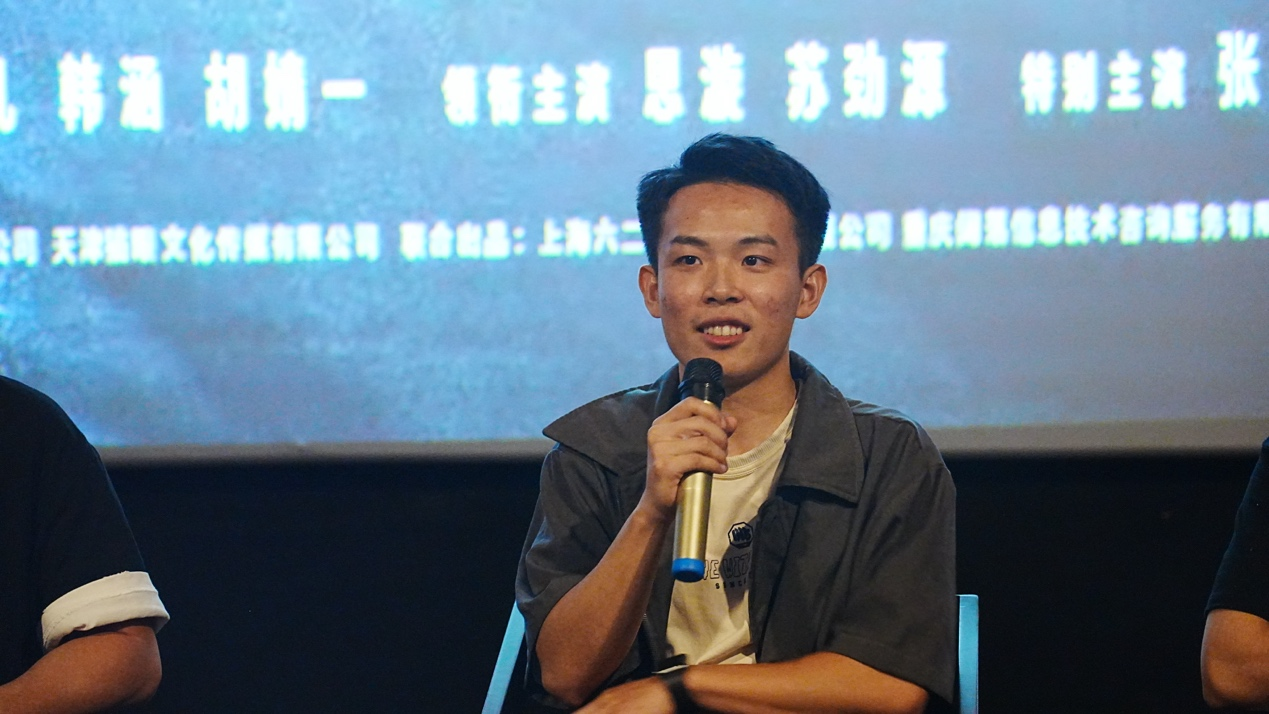
From Shot Design to On-set Execution: Exploring the Behind-the-scenes Work of Photography
After the film screening, the three held a post-screening conversation with the audience, where they exchanged views on the photography arrangements and actual shooting experiences in film production.
Cinematography is not simply about recording actors’ performances and scenes, but also requires coordinating lens design, camera position arrangement, picture composition and on-site shooting according to the creative needs of the film. The photography department not only needs to understand what the director wants to convey but also needs to combine the actual shooting conditions to implement the creative intentions into specific shots. From the early conception to the shooting scene, the arrangement of every shot involves many considerations. How photography cooperates with scene scheduling, how images serve narrative, and how different creative positions coordinate work during the shooting process are all indispensable links in film production.
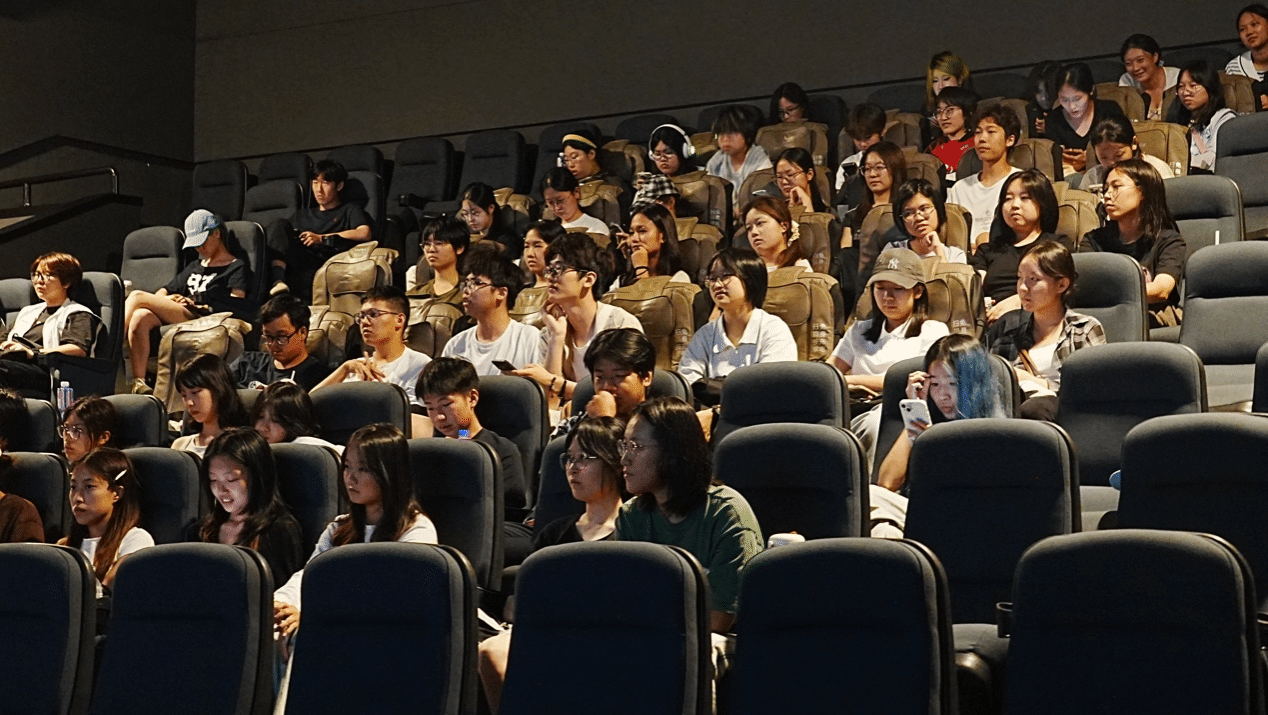
Starting from Professional Learning, Explore More Possibilities in Film Production
For students majoring in film and television, understanding movies requires not only paying attention to the story and style of the finished film, but also needing to further understand the production process of the work. The knowledge of photography, directing and editing in the classroom can only be gradually transformed into the understanding and control of images if they are continuously used and tested in specific creative practice. As an outstanding graduate of the CTV major in 2024, Wang Hanxiang has accumulated a lot of film production experience in the industry. He also shared it with his fellow students through this exchange, linking professional learning with industry practice.
Starting from the screening of a movie to in-depth discussions on photography arrangements and behind-the-scenes production, this CTV series of activities not only expanded students' understanding of film creation but also allowed everyone to further understand the role of different professional positions in film and television production.
Every picture presented by the lens is inseparable from the joint effect of creative conception and on-site practice. Through the observation of works and exchanges with main creators, students can gain a deeper understanding of the working methods of film photography and find new inspiration between theoretical learning and practical exploration.
©2024-2025 Beijing Normal-Hong Kong Baptist University(BNBU).All Rights Reserved.粤ICP备07509519号粤公网安备44049102496044.
