
As artificial intelligence begins to play a role in the generation and expression of imagery, what transformations are reshaping filmmaking? From the realization of visual imagination and the exploration of narrative language to the shaping of visual styles, AI technology is continuously expanding the boundaries of image creation and prompting new reflections for future filmmakers.
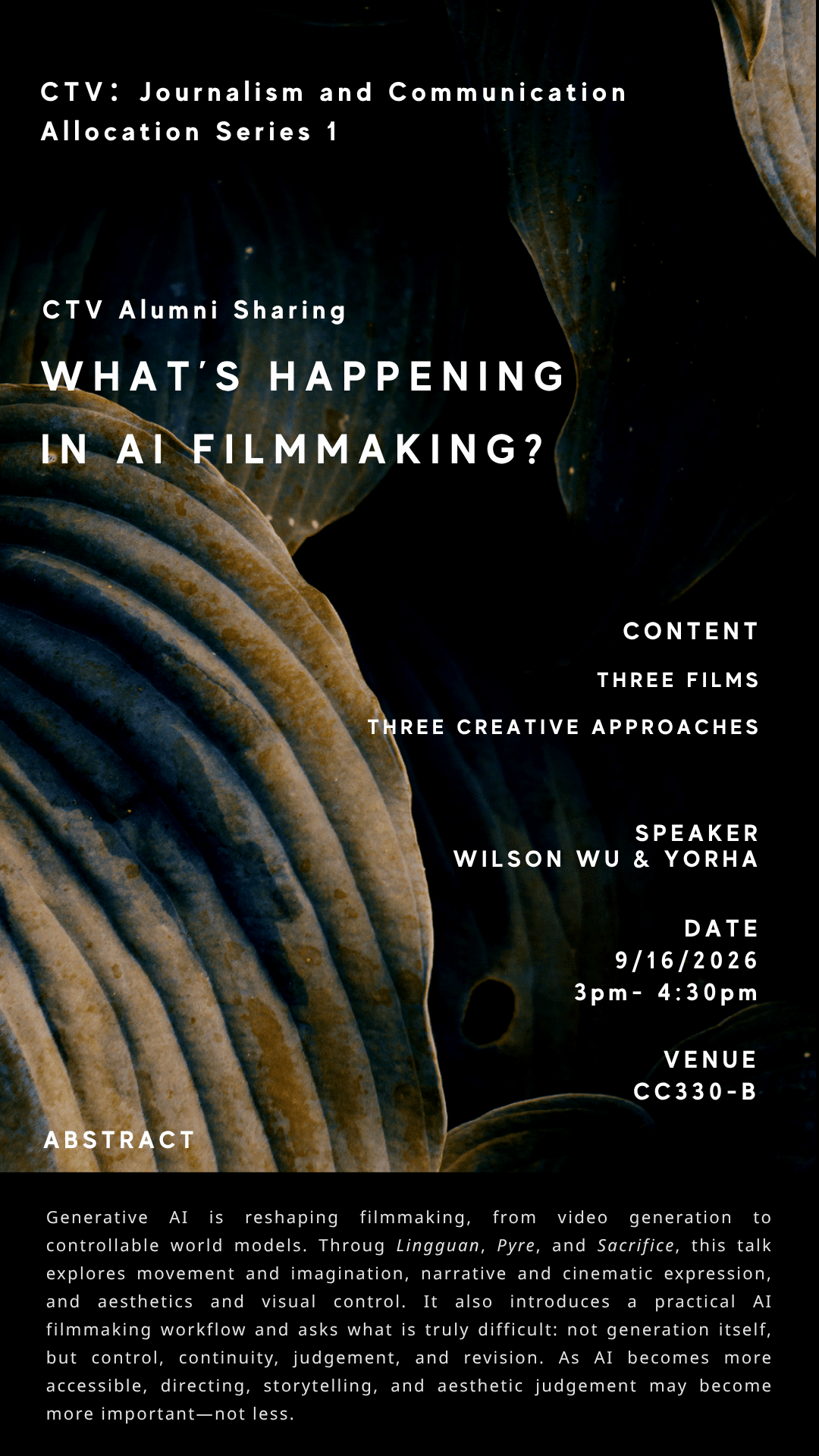
On September 16, 2026, the first event in the CTV "Divergence" series took place at CC330-B. Centered on the theme "What Is Happening with AI-Generated Imagery?", the event featured screenings of three short films—Wang Lingguan, Linshui, and Daxi—alongside a thematic lecture. Wilson Wu and YoRHa were invited to share their practical experiences in AI-driven image creation, guiding students through the applications of generative AI in filmmaking and exploring the expanded possibilities for visual storytelling in the wake of technological innovation.
Exploring the diverse possibilities of AI-driven creation through the lens of moving images.
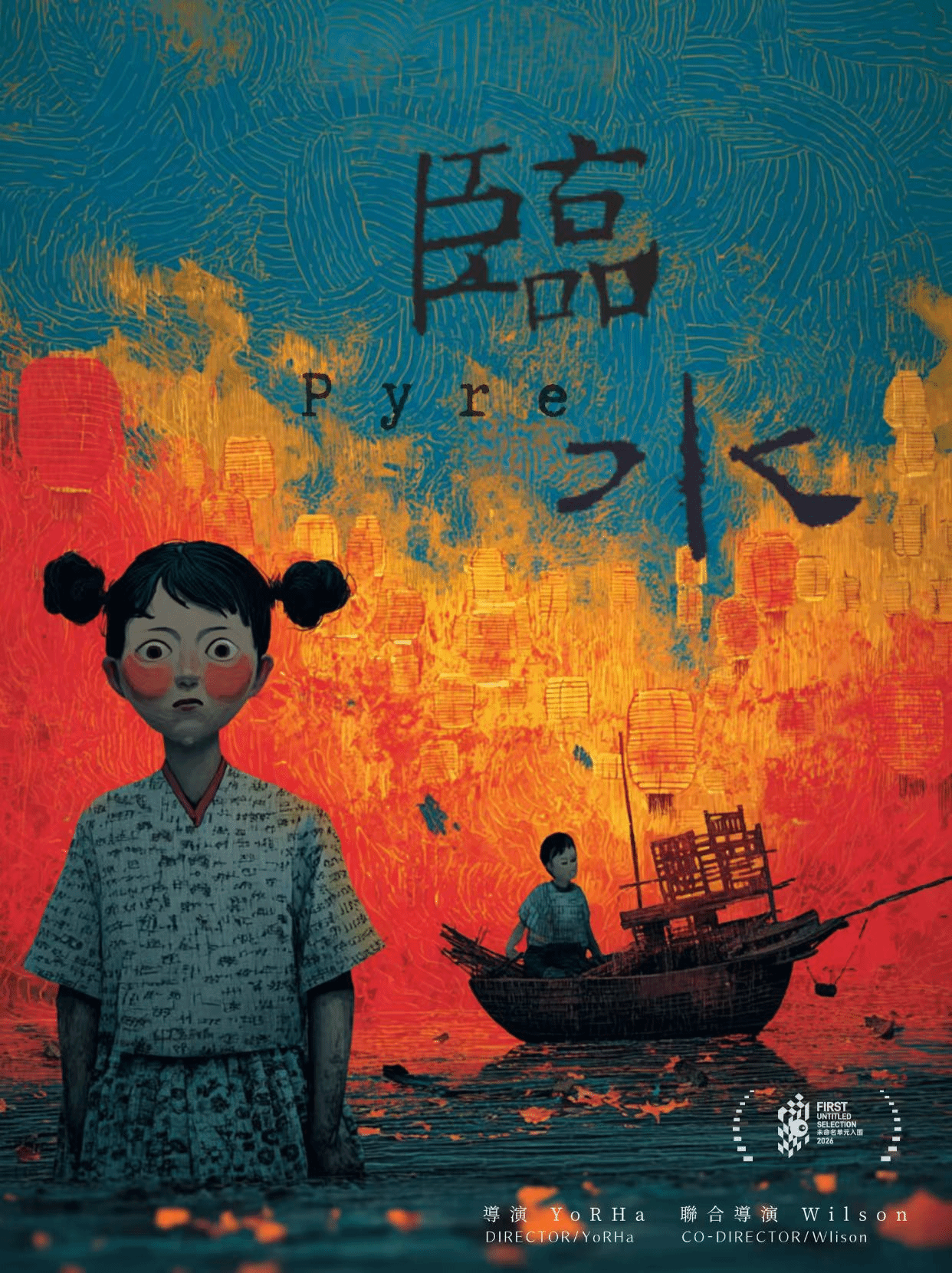
This event takes three works, Wang Lingguan, Linshui, and Daxi, as starting points to showcase the application and exploration of AI technology across various approaches to visual creation. By addressing dimensions such as movement and imagination, narrative and cinematic expression, and aesthetics and visual control, these works offer students distinct perspectives on AI-based visual creation.
The emergence of generative AI has opened up new pathways for realizing visual concepts that were previously constrained by filming conditions, production costs, and technical limitations. Creators can now leverage AI to explore a richer array of visual forms and attempt to transcend certain boundaries of traditional filmmaking. However, the generation of images is not synonymous with the completion of a cinematic work. Creators still face the challenge of transforming images into a coherent visual narrative, ensuring technology serves the story, and establishing the work's own emotional resonance and meaning beyond mere visual presentation.
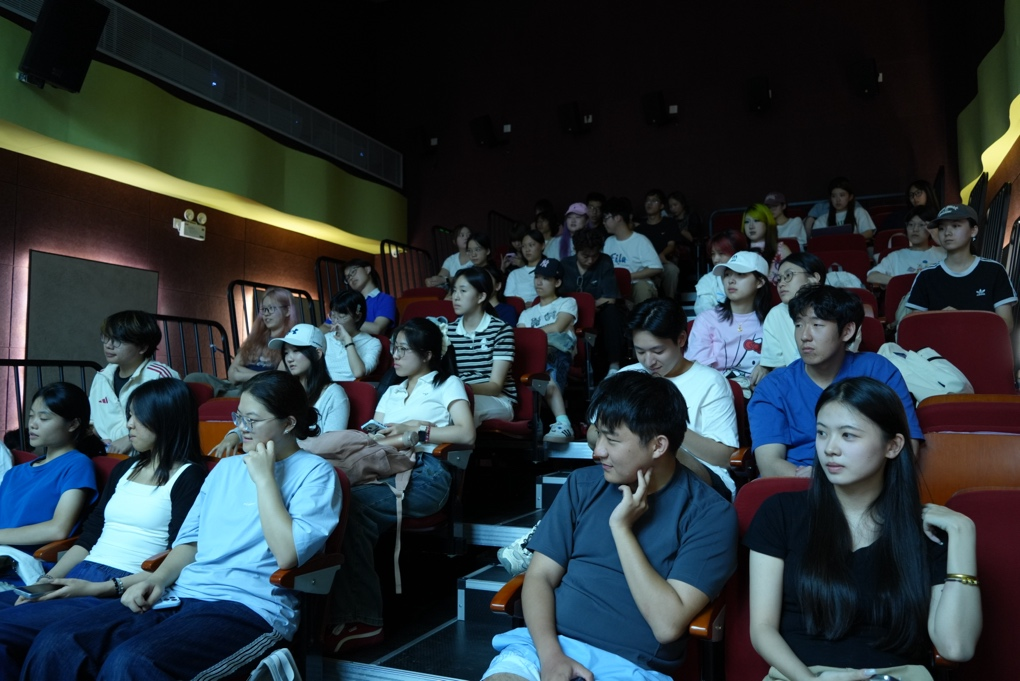
From Concept to Final Cut: Unveiling the AI Video Creation Process
In this lecture, Wilson Wu and YoRHa drew upon their practical experience to outline the end-to-end workflow of AI video production—from initial conceptualization to the final cut. They covered key stages such as gathering reference materials, storyboarding, constructing 3D block-outs, image generation, iterative refinement, and the final editing and post-production phases.
This process also highlights the connection between AI technology and traditional filmmaking. Regardless of how creative tools evolve, a solid understanding of cinematic language, spatial relationships, composition, and narrative pacing remains fundamental to creating compelling video works. While AI offers new creative avenues, it cannot replace the creator's vision and control over the project's overall direction.
When generation is no longer difficult, what lies at the heart of creation?
As generative AI continues to evolve, the barrier to acquiring visual assets is lowering; however, this does not mean that the act of creation itself has become simple.
Controlling character movements and expressions, maintaining consistency in character appearance, spatial structure, and visual style across different shots, and selecting images that truly align with the creative vision from a vast array of generated results—these are all challenges that cannot be overlooked in AI-driven video production.
These issues open up new avenues for discussion in filmmaking. Technological advancements have transformed the way visuals are produced, prompting creators to re-examine the relationships between directing, cinematography, art direction, editing, and post-production. As image generation becomes increasingly commonplace, qualities such as aesthetic judgment, directorial thinking, narrative awareness, and the ability to control visual style may well emerge as the most valuable creative skills.
Returning to the Essence of Filmmaking Amidst Technological Change
From screenings of works such as Wang Lingguan, Linshui, and Daxi, to in-depth discussions on AI-driven workflows and practical challenges, this CTV series event not only showcased the diverse possibilities of generative AI in filmmaking but also offered students fresh perspectives on the cutting-edge developments in the field.
For future filmmakers, the task lies not merely in mastering AI tools, but in understanding imagery, structuring narratives, establishing visual styles, and forging a unique creative voice within a rapidly evolving technological landscape.
©2024-2025 Beijing Normal-Hong Kong Baptist University(BNBU).All Rights Reserved.粤ICP备07509519号粤公网安备44049102496044.
